
RFQ · Engineering quote

Datacom & optical module thermal

Submounts and spreaders for datacom TOSA/ROSA, optical transceivers, and coherent engines — including trenched and multi-layer AlN for pad routing and bond clearance.

Need a hermetic envelope? Browse package outlines.

How to choose

Define data rate, die stack height, and whether you need trenches or buried vias. Specify thin-film vs DPC copper if you are routing high current on the same ceramic. Share pad map and optical keep-out zones with your RFQ.

3 product lines in catalog

AlN submount — datacom TOSA/ROSA

AlN submount — datacom TOSA/ROSA

Footprints tuned for 10G–100G modules with pad fields aligned to EML or DFB attach.

AlNthin-film Ti/Pt/AuDPC
Typical use & selection notes

Typical use: Datacom transceivers, optical engines, and coherent sub-assemblies needing predictable CTE to InP.

Why this line: Standard thickness bands and metallization stacks align with high-volume flip-chip or wire-bond lines.
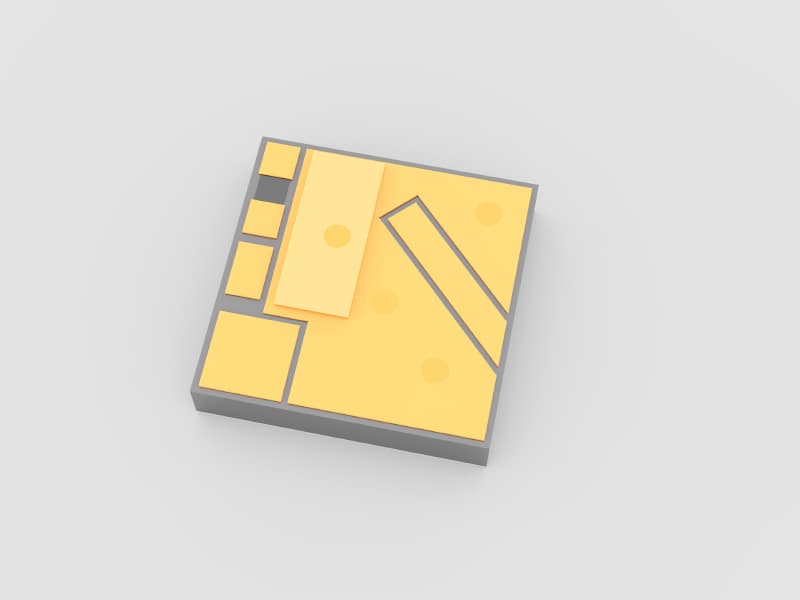
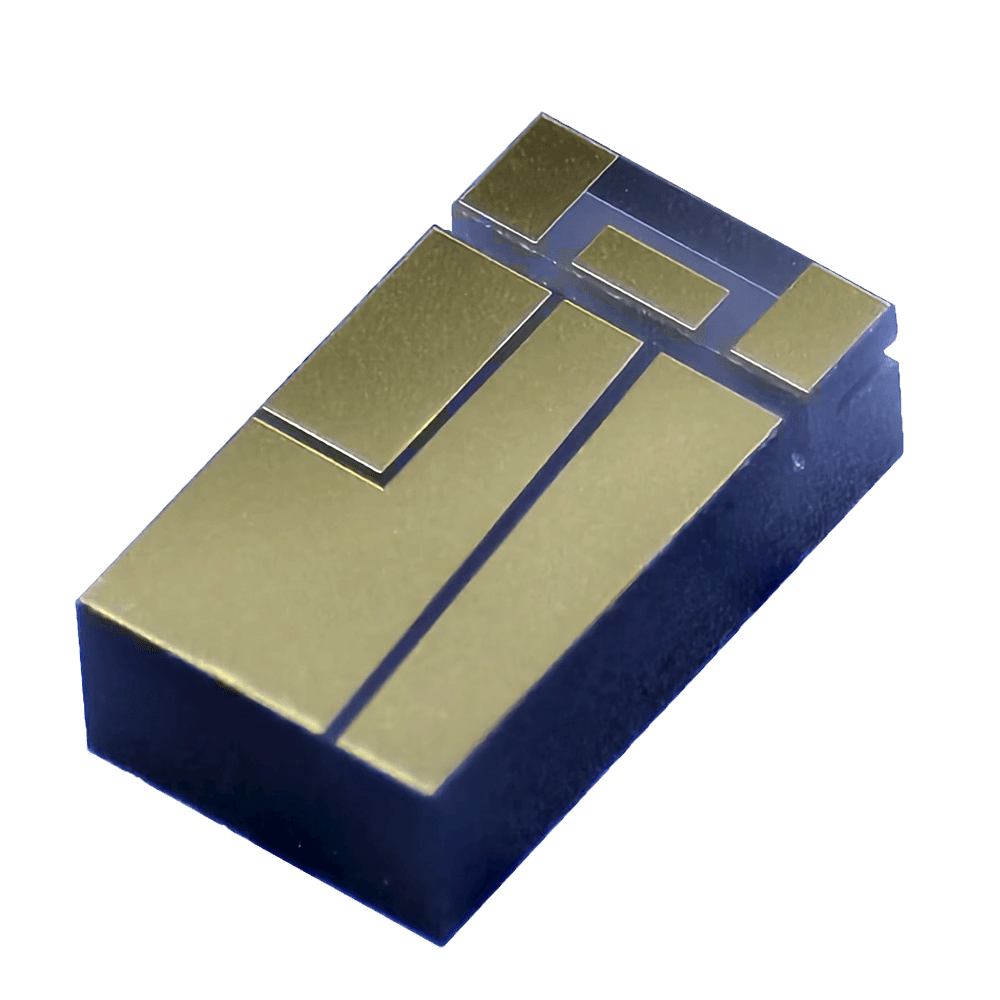
Multi-layer AlN submount — datacom — view 1 of 4

Multi-layer AlN submount — datacom

Stacked ceramic with routed vias or pockets for monitor diodes, resistors, or bias networks.

AlNthin-filmlaminated ceramic
Typical use & selection notes

Typical use: TOSA/ROSA with multiple die, passive alignment features, or isolated thermal paths on one footprint.

Why this line: Multi-layer AlN integrates mechanical features without a separate PCB interposer in the optical path.

Trenched AlN submount — datacom

Trenched AlN submount — datacom

Recessed trenches for wire bond clearance, optical standoff, or isolation between signal and thermal pads.

AlNtrenched ceramicthin-film Ti/Pt/Au
Typical use & selection notes

Typical use: Modules that need bond wire loop height control or keep-out zones around a laser mesa.

Why this line: Trenches are machined or etched before metallization — specify depth, width, and pad map with your drawing.