RFQ · Engineering quote

TO headers & laser bases

Transistor-outline (TO) headers are the most common hermetic shell for laser diodes, photodiodes, and sensors. The number in the name — TO-46, TO-56, TO-60 — is the dome diameter in millimeters; pin count and submount features determine which chip and data rate the package supports.

Pair with die-level thermal — laser submount catalog, datacom submounts, or order SiC/ALN samples.

Package quote

Request a hermetic package quote

Outline, volume, and application — we respond within one business day. Attach a drawing if you have one.

Context

TO headers & laser bases

Response within 1 business day · Need a full RFQ? Open detailed package RFQ →

How to choose

Start with your die size and lead count. TO-46 and TO-56 cover most 2.5G–25G edge emitters; TO-60 adds pins for TEC and monitor photodiodes. If you need pre-deposited AuSn on the stem submount, filter for Sub-AuSn variants. Match cooled vs uncooled requirements before picking window type.

28 outlines in catalog

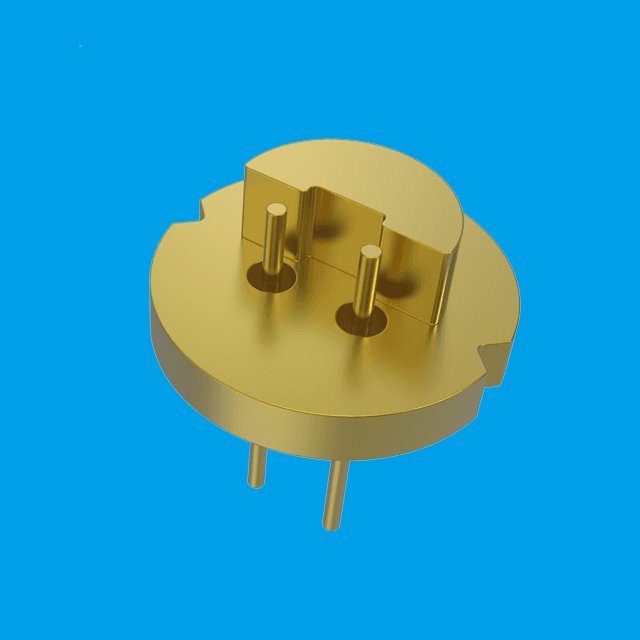
TO-9 2P2L 2.2K Base

TO-9 2P2L 2.2K Base

TO-9 transistor-outline package — thermoelectric cooler (TEC) friendly footprint.

Typical use & selection notes

Typical use: Datacom transceivers, fiber-coupled laser diodes, and sensor modules that need a hermetic TO outline with defined pin pitch.

Why this line: Outline and pin count in the part name (TO-9 2P2L 2.2K Base) encode the mechanical envelope engineers must match to their die, submount, and cap — pick the TO size that fits your chip cavity and lead count.
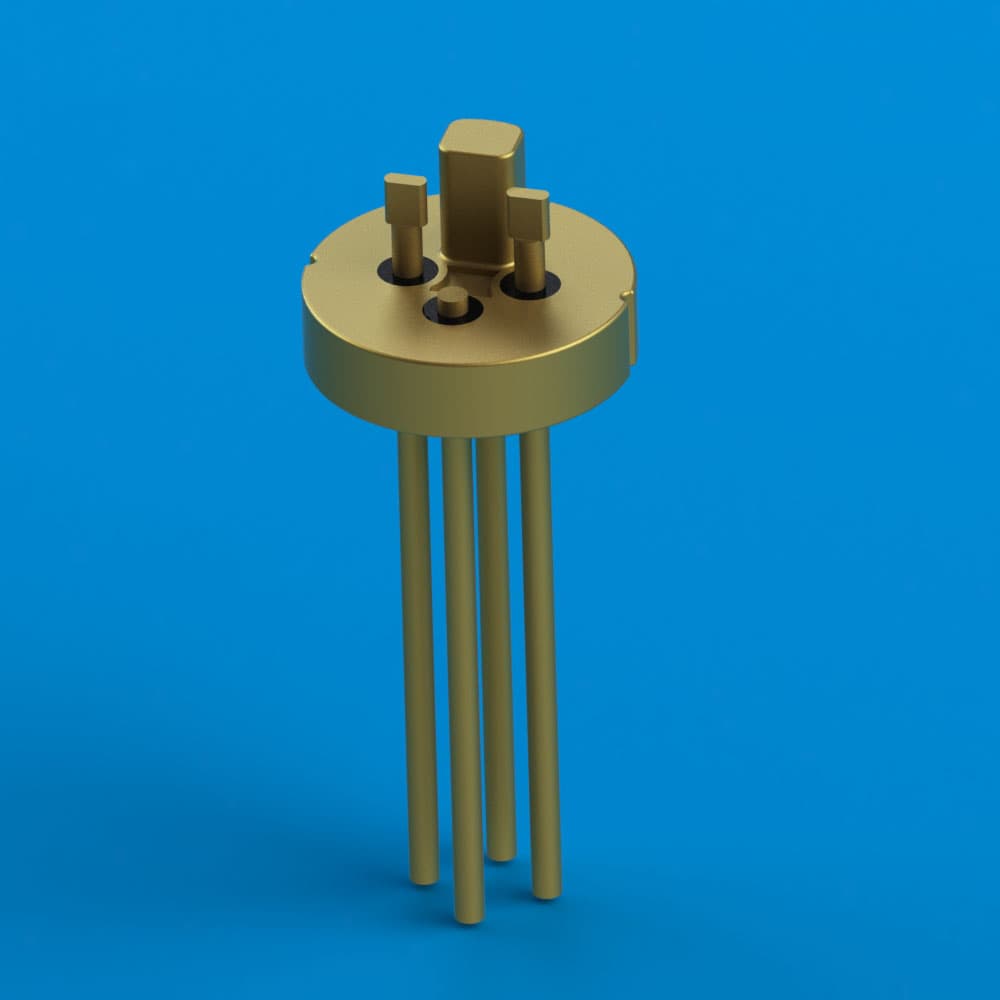
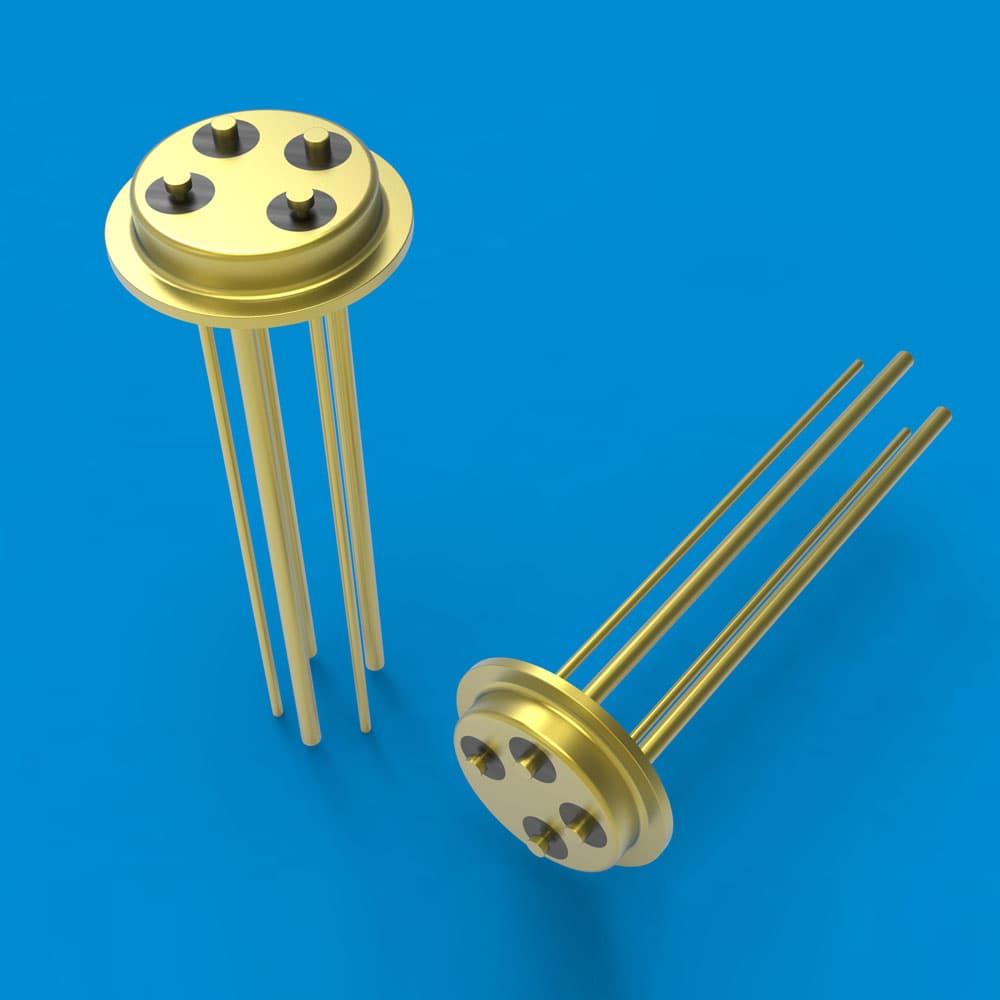
TO-38 4-Pin

TO-38 4-Pin

TO-38 transistor-outline package — 4 feedthrough pins.

Typical use & selection notes

Typical use: Datacom transceivers, fiber-coupled laser diodes, and sensor modules that need a hermetic TO outline with defined pin pitch.

Why this line: Outline and pin count in the part name (TO-38 4-Pin) encode the mechanical envelope engineers must match to their die, submount, and cap — pick the TO size that fits your chip cavity and lead count.
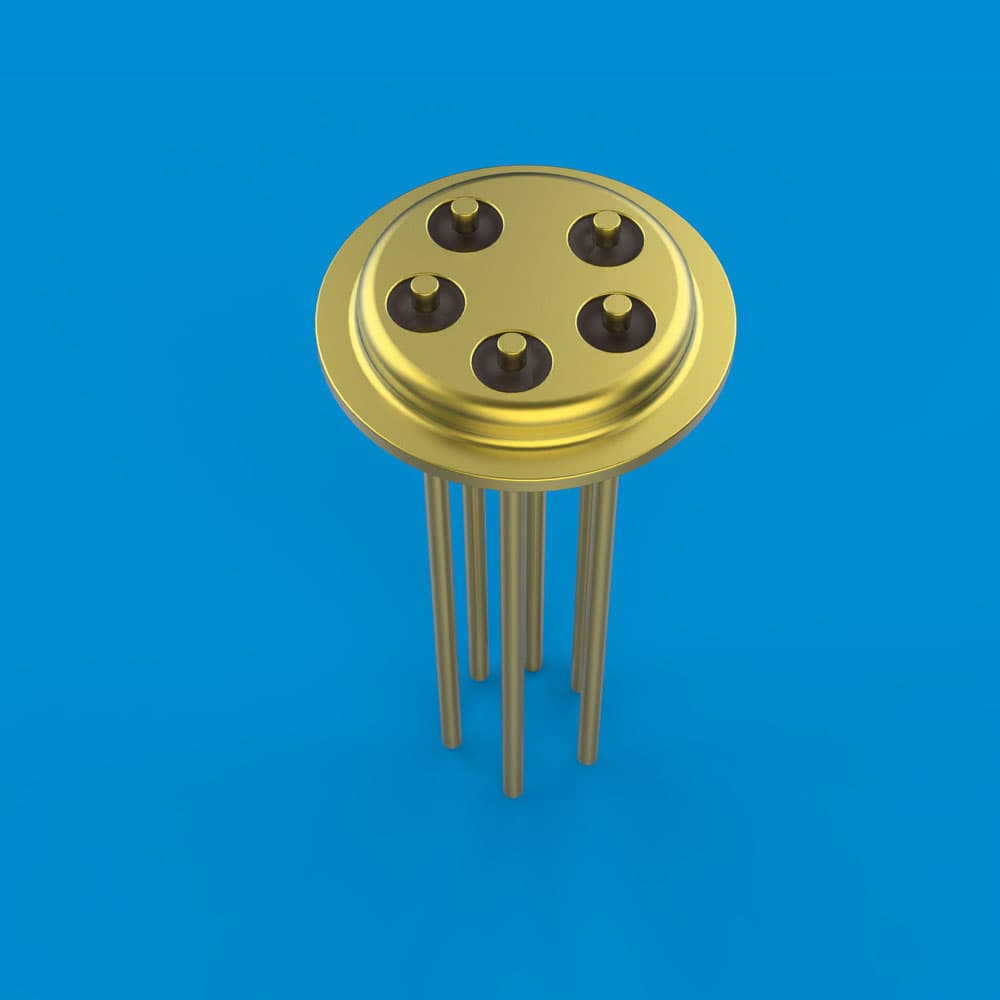
TO-46 5-Pin (10G)

TO-46 5-Pin (10G)

TO-46 transistor-outline package — 5 feedthrough pins — common in 10G datacom modules.

Typical use & selection notes

Typical use: Datacom transceivers, fiber-coupled laser diodes, and sensor modules that need a hermetic TO outline with defined pin pitch.

Why this line: Outline and pin count in the part name (TO-46 5-Pin (10G)) encode the mechanical envelope engineers must match to their die, submount, and cap — pick the TO size that fits your chip cavity and lead count.
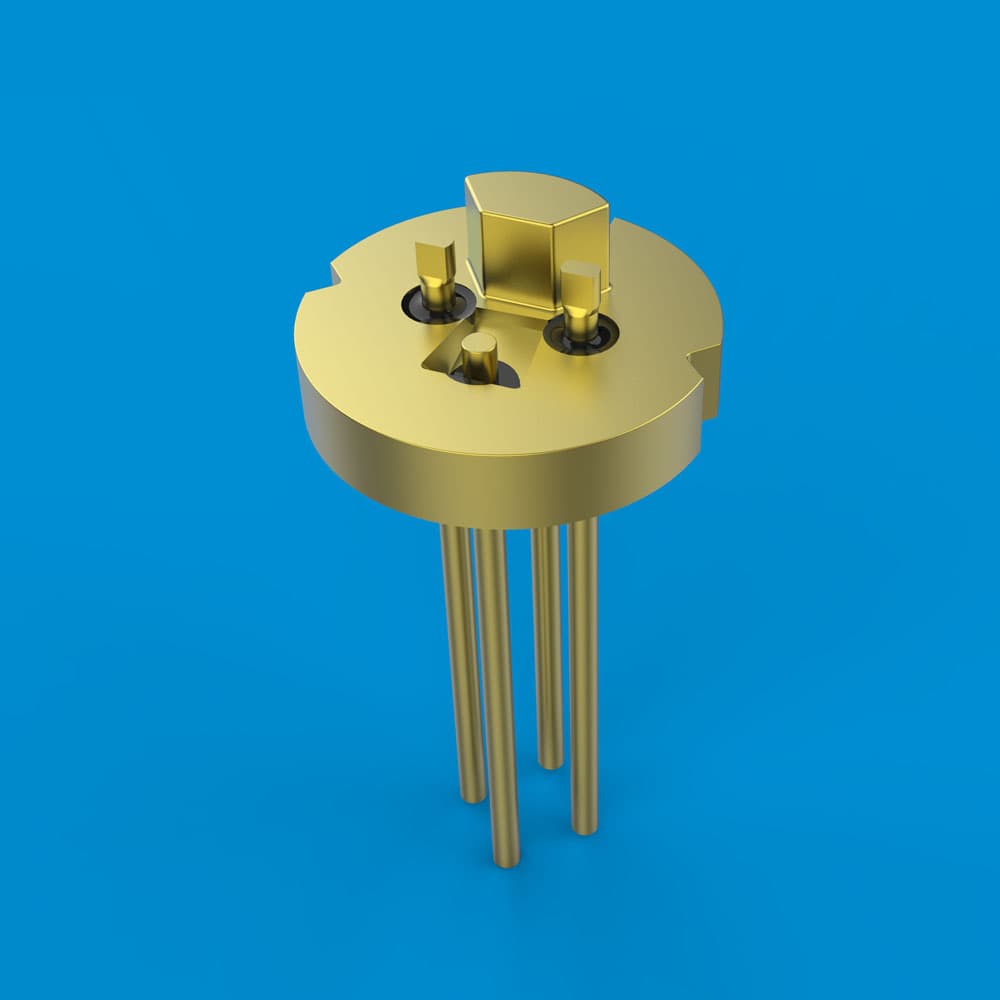
TO-46 6-Pin-0.77T

TO-46 6-Pin-0.77T

TO-46 transistor-outline package — 6 feedthrough pins.

Typical use & selection notes

Typical use: Datacom transceivers, fiber-coupled laser diodes, and sensor modules that need a hermetic TO outline with defined pin pitch.

Why this line: Outline and pin count in the part name (TO-46 6-Pin-0.77T) encode the mechanical envelope engineers must match to their die, submount, and cap — pick the TO size that fits your chip cavity and lead count.
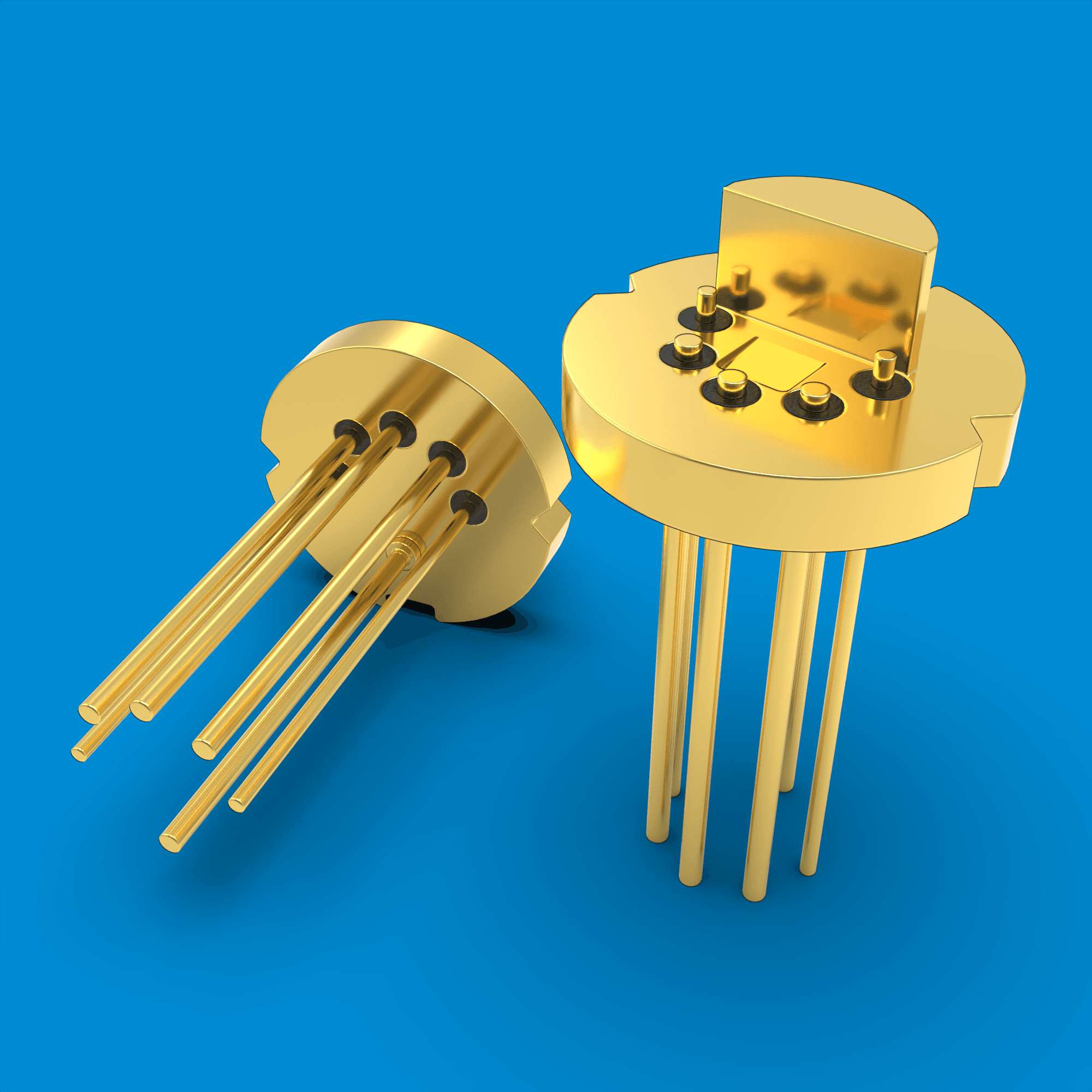
TO-56 4-Pin

TO-56 4-Pin

TO-56 transistor-outline package — 4 feedthrough pins.

Typical use & selection notes

Typical use: Datacom transceivers, fiber-coupled laser diodes, and sensor modules that need a hermetic TO outline with defined pin pitch.

Why this line: Outline and pin count in the part name (TO-56 4-Pin) encode the mechanical envelope engineers must match to their die, submount, and cap — pick the TO size that fits your chip cavity and lead count.
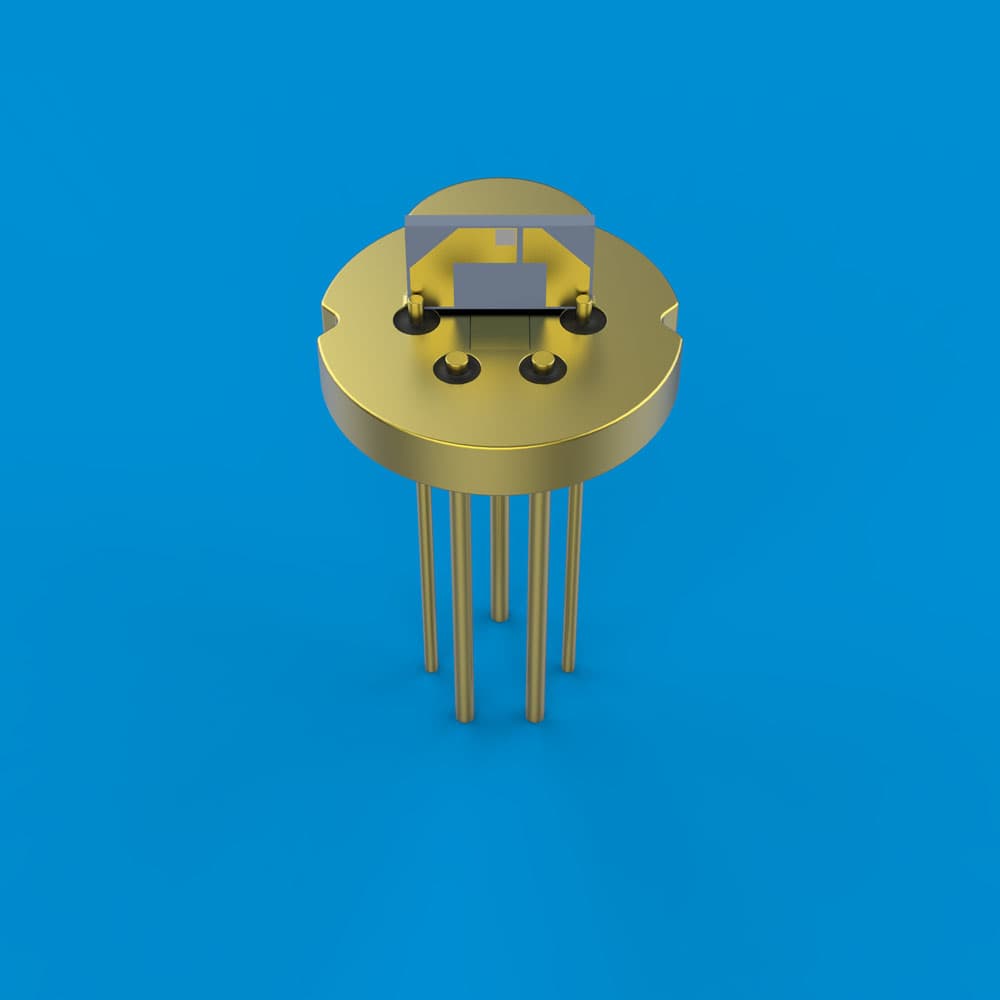
TO-56-5+1.1

TO-56-5+1.1

TO-56 transistor-outline package.

Typical use & selection notes

Typical use: Datacom transceivers, fiber-coupled laser diodes, and sensor modules that need a hermetic TO outline with defined pin pitch.

Why this line: Outline and pin count in the part name (TO-56-5+1.1) encode the mechanical envelope engineers must match to their die, submount, and cap — pick the TO size that fits your chip cavity and lead count.
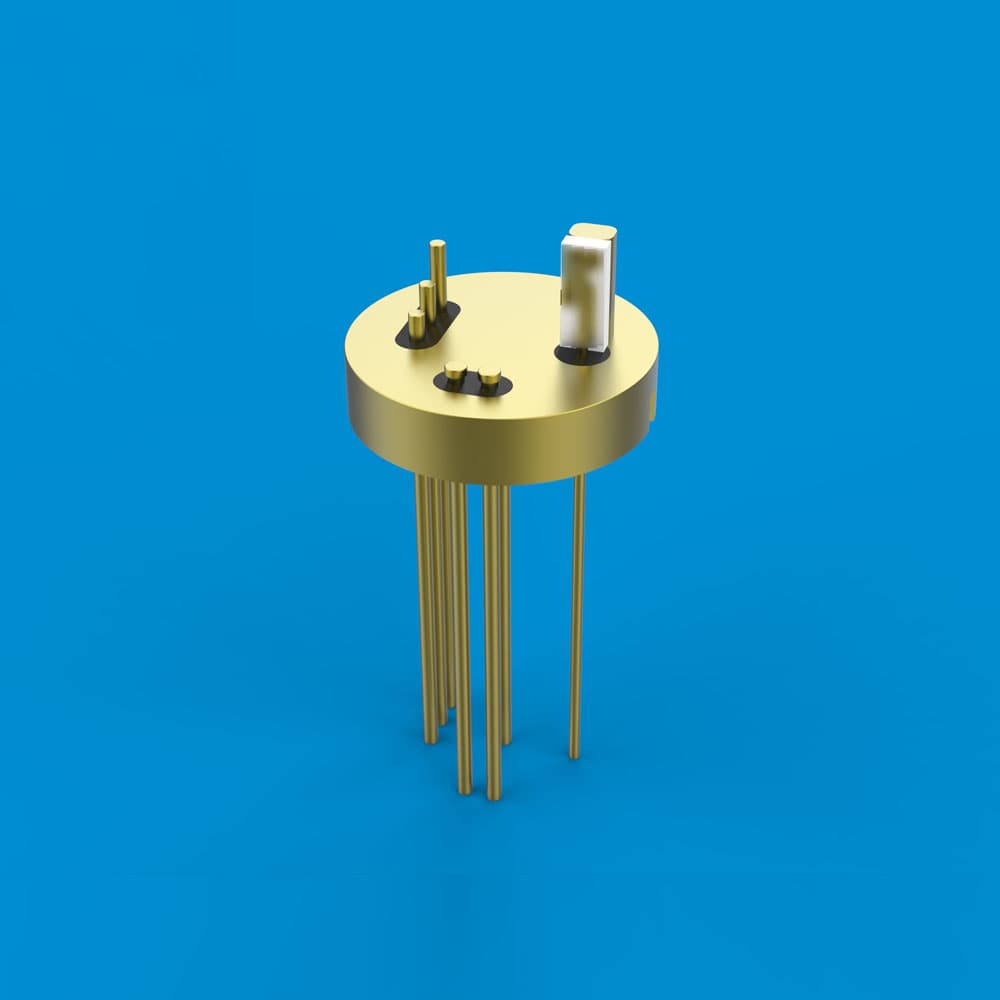
TO-56 5-Pin(25G)-Sub-AuSn

TO-56 5-Pin(25G)-Sub-AuSn

TO-56 transistor-outline package — 5 feedthrough pins — common in 25G datacom modules.

Typical use & selection notes

Typical use: Datacom transceivers, fiber-coupled laser diodes, and sensor modules that need a hermetic TO outline with defined pin pitch.

Why this line: Outline and pin count in the part name (TO-56 5-Pin(25G)-Sub-AuSn) encode the mechanical envelope engineers must match to their die, submount, and cap — pick the TO size that fits your chip cavity and lead count.
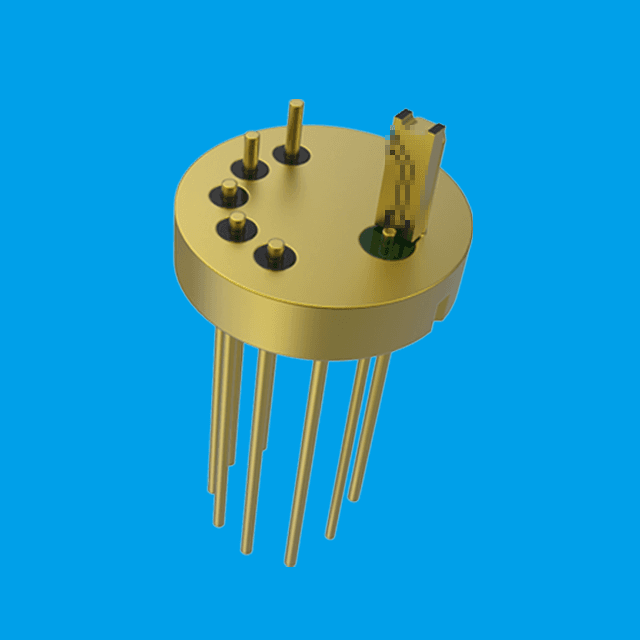
TO-56 7-Pin EML

TO-56 7-Pin EML

TO-56 transistor-outline package — 7 feedthrough pins — electro-absorption modulated laser (EML) pinout.

Typical use & selection notes

Typical use: Datacom transceivers, fiber-coupled laser diodes, and sensor modules that need a hermetic TO outline with defined pin pitch.

Why this line: Outline and pin count in the part name (TO-56 7-Pin EML) encode the mechanical envelope engineers must match to their die, submount, and cap — pick the TO size that fits your chip cavity and lead count.
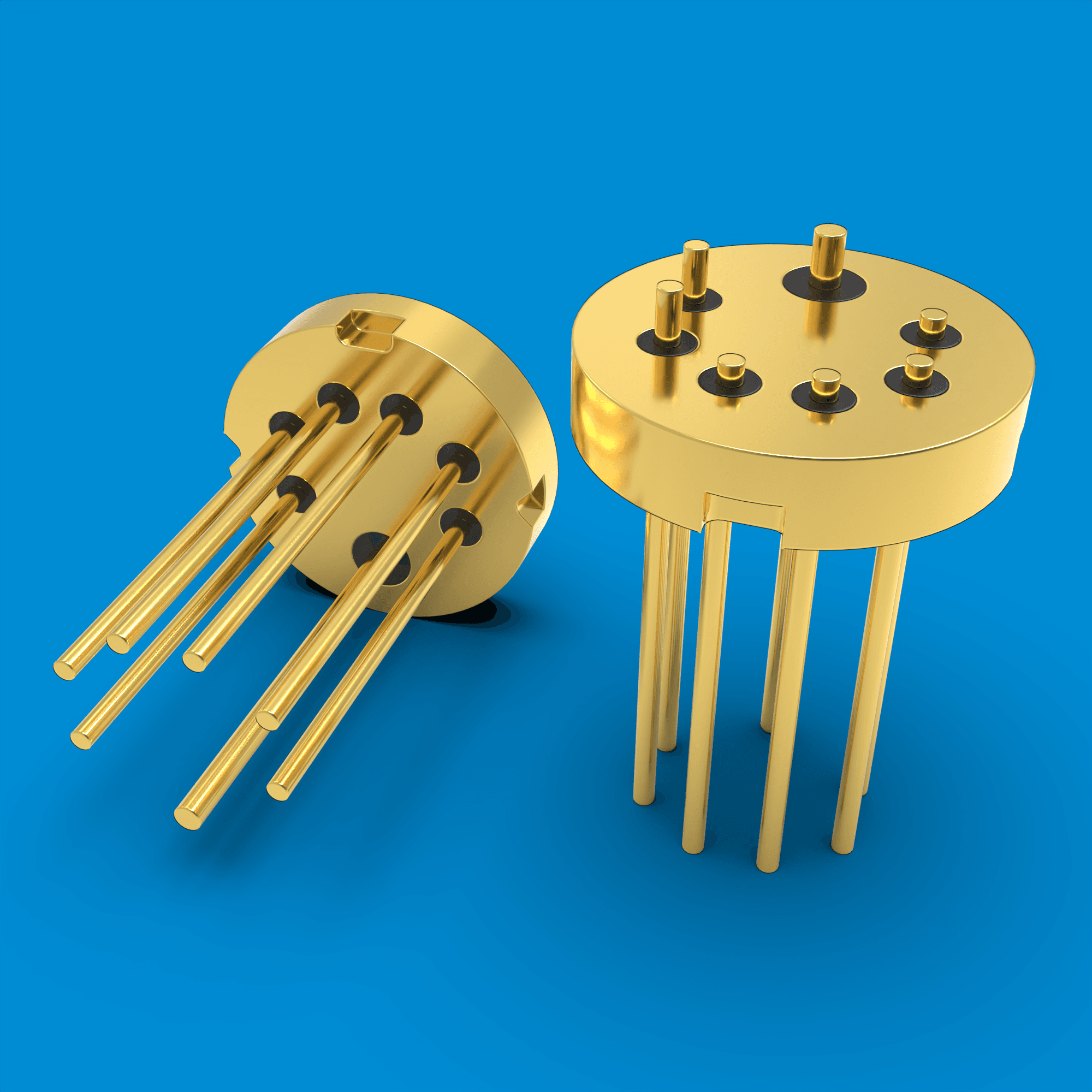
TO-56 8-Pin Single-Post Base (XR-FJ-151505)

TO-56 8-Pin Single-Post Base (XR-FJ-151505)

TO-56 transistor-outline package — 8 feedthrough pins.

Typical use & selection notes

Typical use: Datacom transceivers, fiber-coupled laser diodes, and sensor modules that need a hermetic TO outline with defined pin pitch.

Why this line: Outline and pin count in the part name (TO-56 8-Pin Single-Post Base (XR-FJ-151505)) encode the mechanical envelope engineers must match to their die, submount, and cap — pick the TO size that fits your chip cavity and lead count.
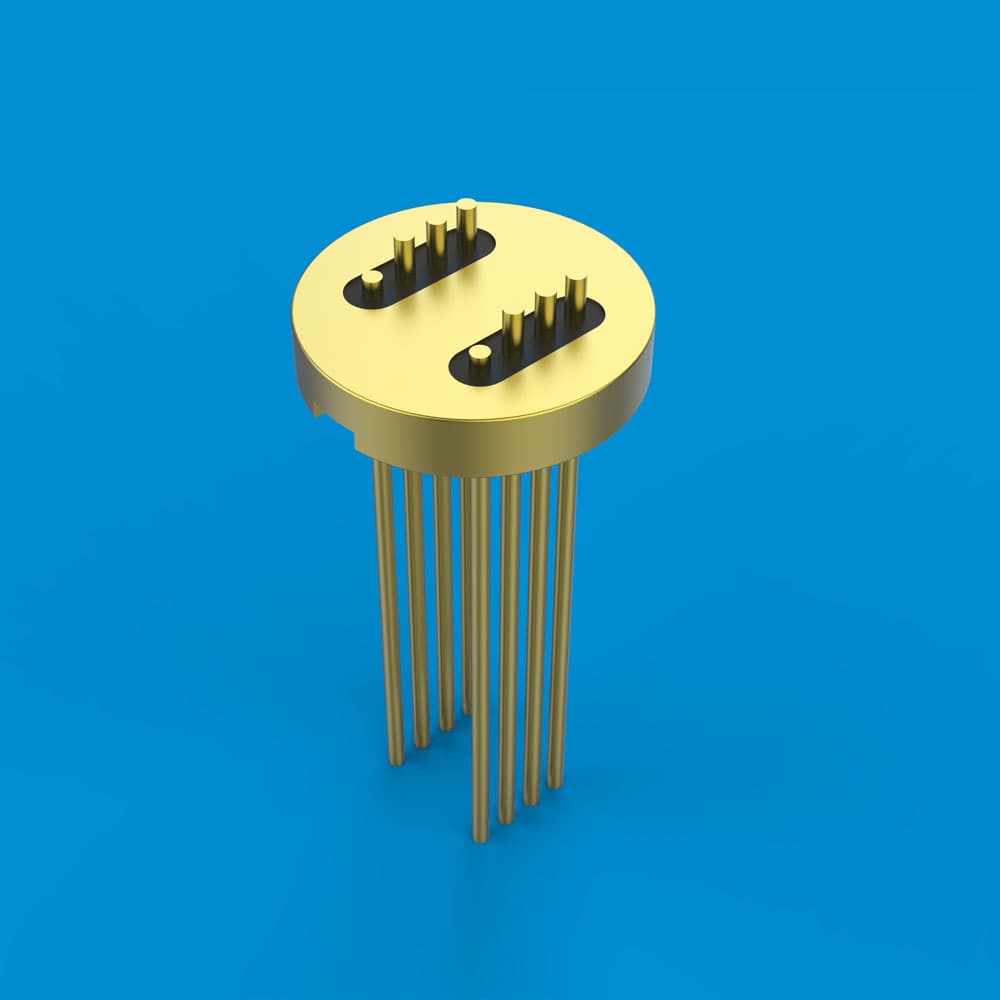
TO-60 7-Pin Base

TO-60 7-Pin Base

TO-60 transistor-outline package — 7 feedthrough pins.

Typical use & selection notes

Typical use: Datacom transceivers, fiber-coupled laser diodes, and sensor modules that need a hermetic TO outline with defined pin pitch.

Why this line: Outline and pin count in the part name (TO-60 7-Pin Base) encode the mechanical envelope engineers must match to their die, submount, and cap — pick the TO size that fits your chip cavity and lead count.
TO-60 8-Pin

TO-60 8-Pin

TO-60 transistor-outline package — 8 feedthrough pins.

Typical use & selection notes

Typical use: Datacom transceivers, fiber-coupled laser diodes, and sensor modules that need a hermetic TO outline with defined pin pitch.

Why this line: Outline and pin count in the part name (TO-60 8-Pin) encode the mechanical envelope engineers must match to their die, submount, and cap — pick the TO size that fits your chip cavity and lead count.
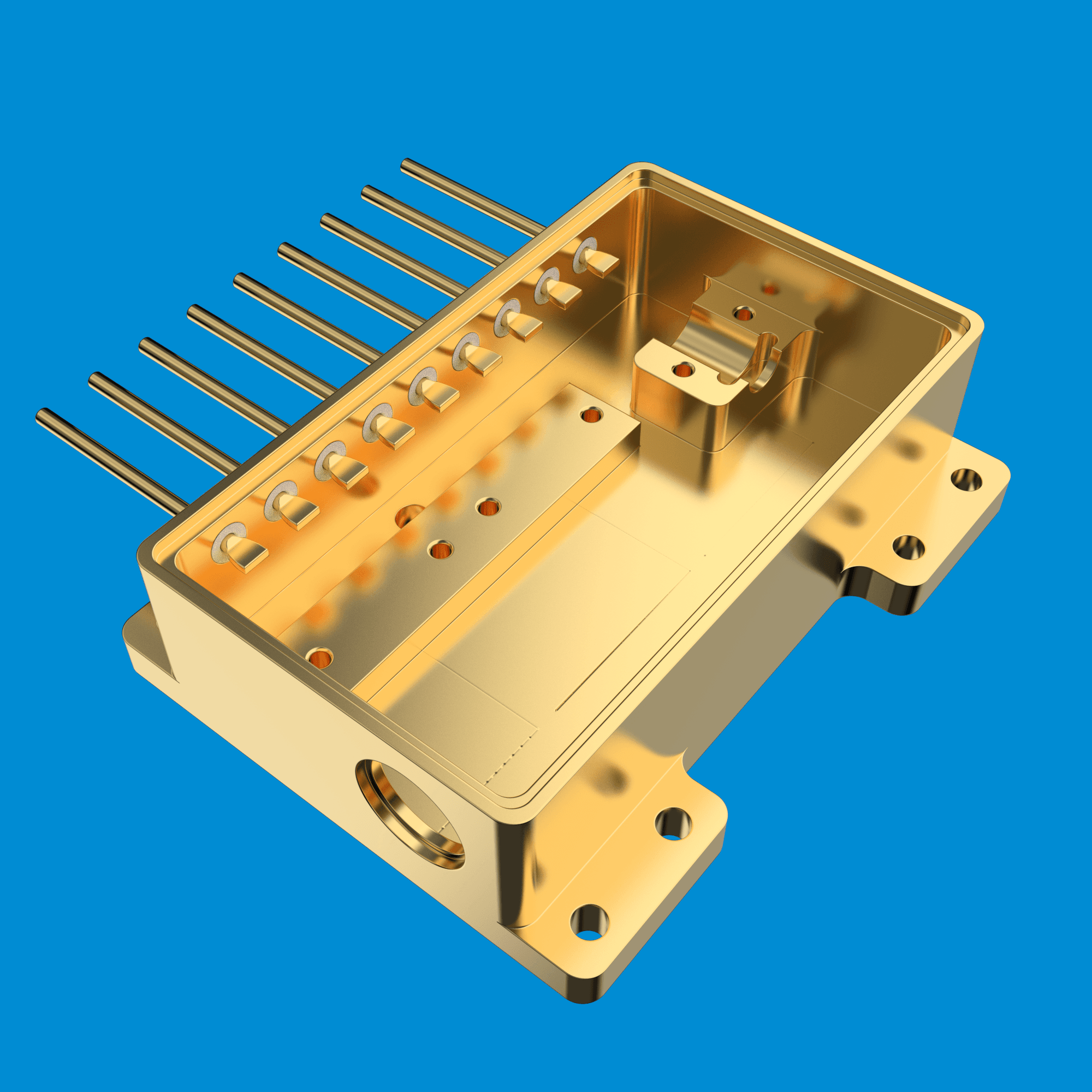
High-Power Laser Housing (Partial Gold Plating)

High-Power Laser Housing (Partial Gold Plating)

Transistor-outline (TO) metal-ceramic header.

Typical use & selection notes

Typical use: Datacom transceivers, fiber-coupled laser diodes, and sensor modules that need a hermetic TO outline with defined pin pitch.

Why this line: Outline and pin count in the part name (High-Power Laser Housing (Partial Gold Plating)) encode the mechanical envelope engineers must match to their die, submount, and cap — pick the TO size that fits your chip cavity and lead count.
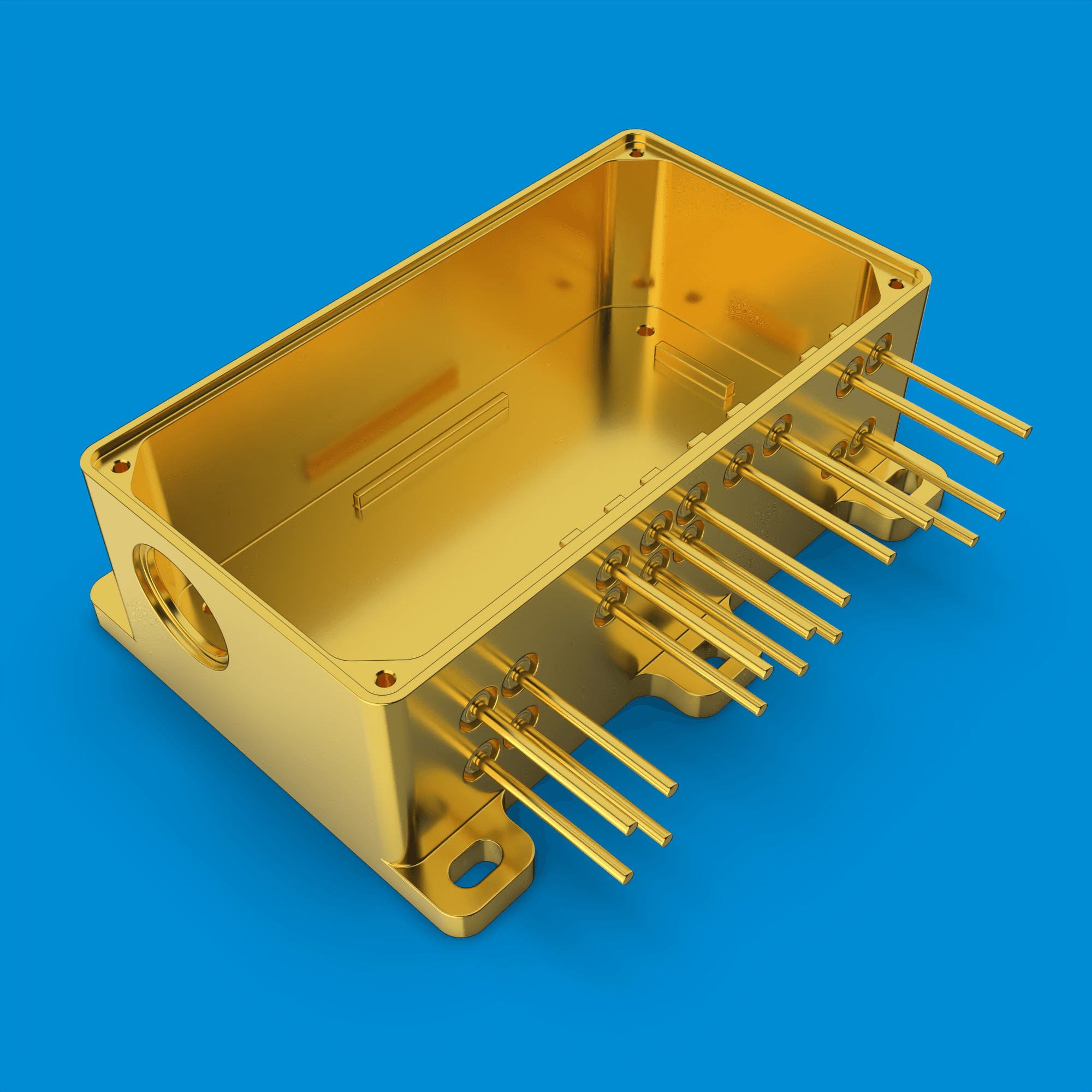
High-Power Laser Package Housing

High-Power Laser Package Housing

Transistor-outline (TO) metal-ceramic header.

Typical use & selection notes

Typical use: Datacom transceivers, fiber-coupled laser diodes, and sensor modules that need a hermetic TO outline with defined pin pitch.

Why this line: Outline and pin count in the part name (High-Power Laser Package Housing) encode the mechanical envelope engineers must match to their die, submount, and cap — pick the TO size that fits your chip cavity and lead count.
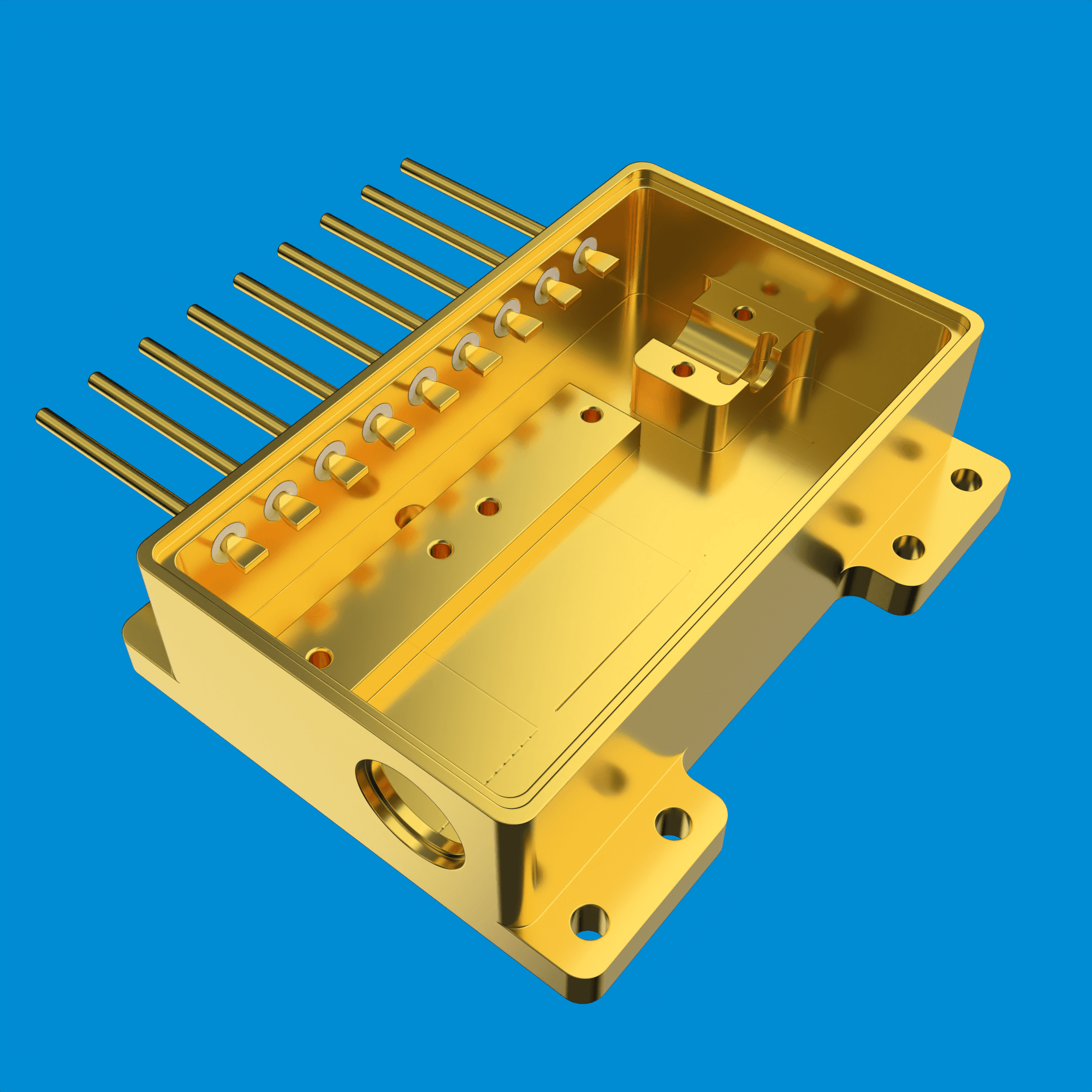
High-Power Laser Housing 1.1

High-Power Laser Housing 1.1

Transistor-outline (TO) metal-ceramic header.

Typical use & selection notes

Typical use: Datacom transceivers, fiber-coupled laser diodes, and sensor modules that need a hermetic TO outline with defined pin pitch.

Why this line: Outline and pin count in the part name (High-Power Laser Housing 1.1) encode the mechanical envelope engineers must match to their die, submount, and cap — pick the TO size that fits your chip cavity and lead count.
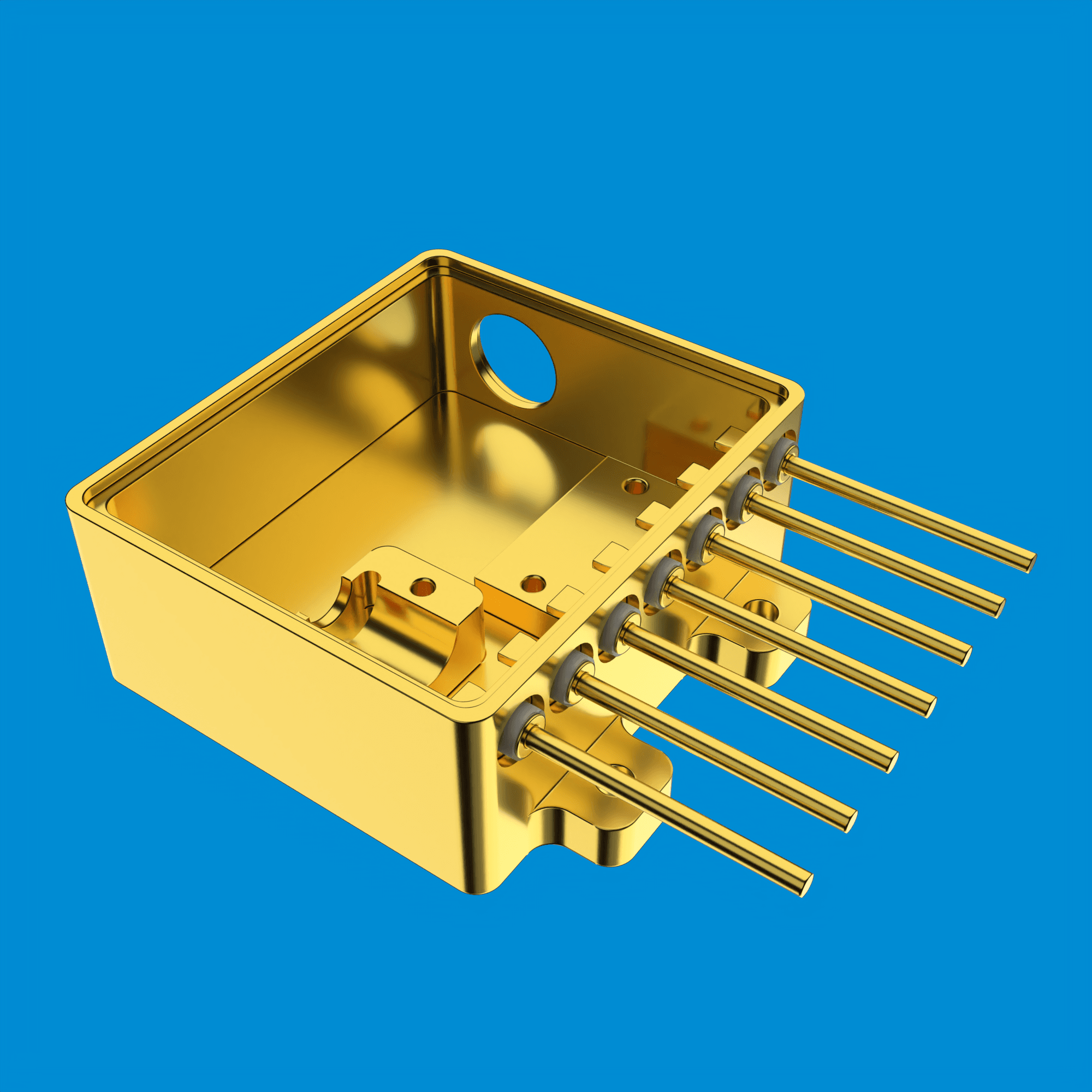
High-Power Laser Housing 2.5

High-Power Laser Housing 2.5

Transistor-outline (TO) metal-ceramic header.

Typical use & selection notes

Typical use: Datacom transceivers, fiber-coupled laser diodes, and sensor modules that need a hermetic TO outline with defined pin pitch.

Why this line: Outline and pin count in the part name (High-Power Laser Housing 2.5) encode the mechanical envelope engineers must match to their die, submount, and cap — pick the TO size that fits your chip cavity and lead count.
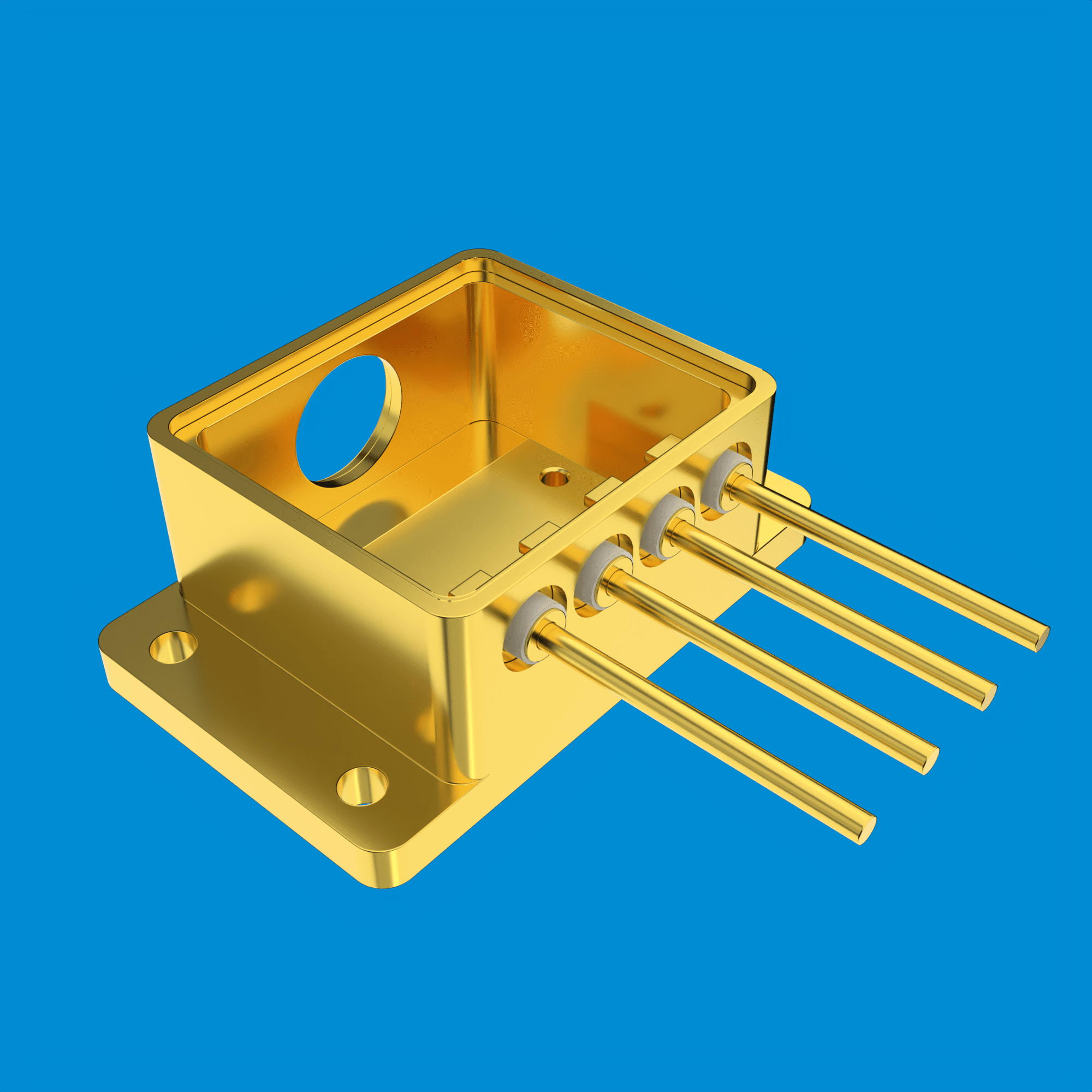
High-Power Laser Housing 3.8

High-Power Laser Housing 3.8

Transistor-outline (TO) metal-ceramic header.

Typical use & selection notes

Typical use: Datacom transceivers, fiber-coupled laser diodes, and sensor modules that need a hermetic TO outline with defined pin pitch.

Why this line: Outline and pin count in the part name (High-Power Laser Housing 3.8) encode the mechanical envelope engineers must match to their die, submount, and cap — pick the TO size that fits your chip cavity and lead count.
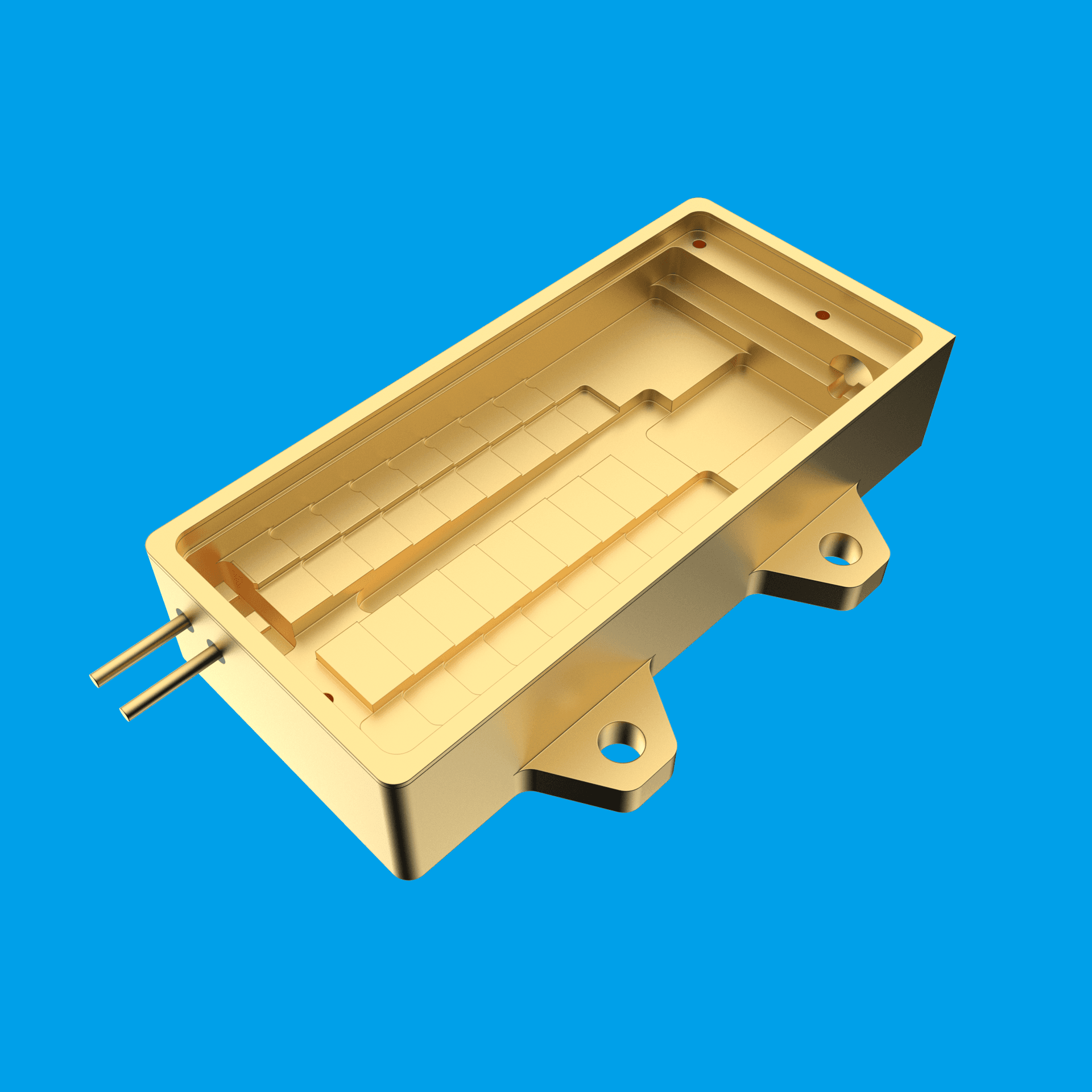
High-Power Laser Housing 4.11

High-Power Laser Housing 4.11

Transistor-outline (TO) metal-ceramic header.

Typical use & selection notes

Typical use: Datacom transceivers, fiber-coupled laser diodes, and sensor modules that need a hermetic TO outline with defined pin pitch.

Why this line: Outline and pin count in the part name (High-Power Laser Housing 4.11) encode the mechanical envelope engineers must match to their die, submount, and cap — pick the TO size that fits your chip cavity and lead count.
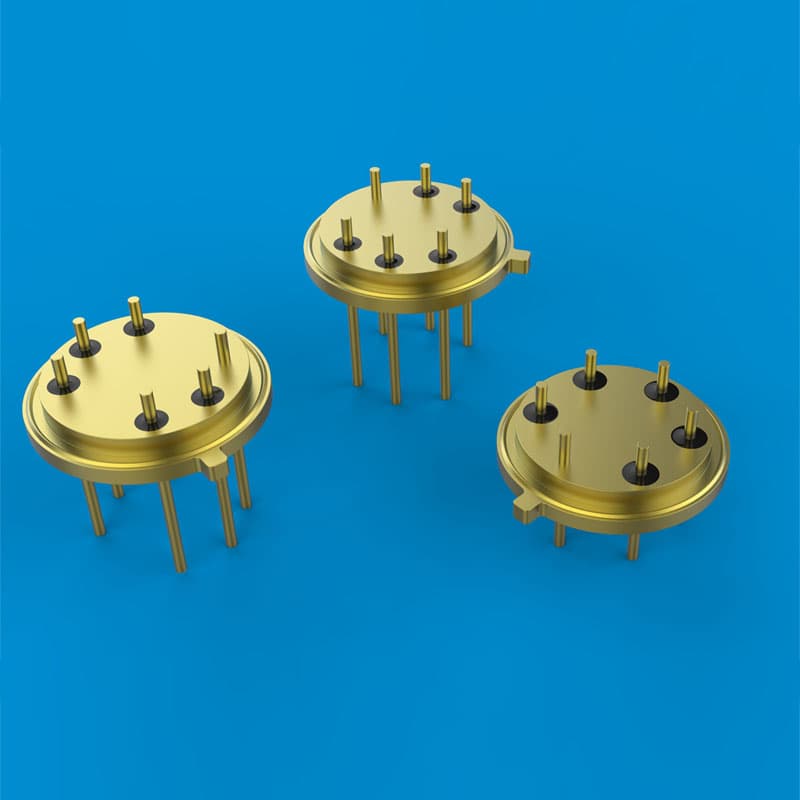
High-Power Laser Housing Type 2

High-Power Laser Housing Type 2

Transistor-outline (TO) metal-ceramic header.

Typical use & selection notes

Typical use: Datacom transceivers, fiber-coupled laser diodes, and sensor modules that need a hermetic TO outline with defined pin pitch.

Why this line: Outline and pin count in the part name (High-Power Laser Housing Type 2) encode the mechanical envelope engineers must match to their die, submount, and cap — pick the TO size that fits your chip cavity and lead count.
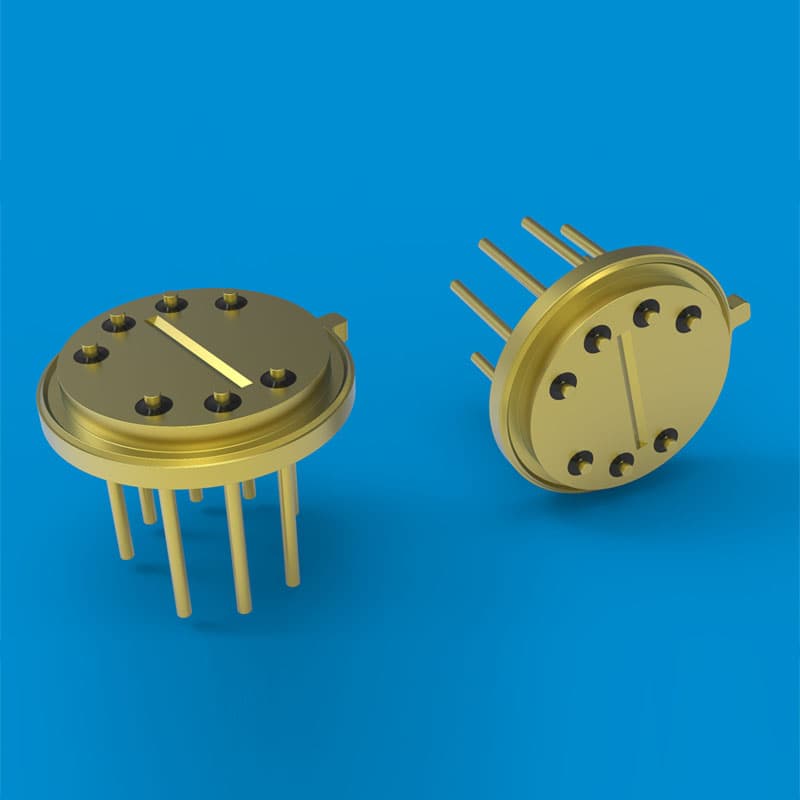
TO-5 5P6LThree Pin Layouts

TO-5 5P6LThree Pin Layouts

TO-5 transistor-outline package.

Typical use & selection notes

Typical use: Gas, pressure, and optical sensors requiring a compact hermetic TO header with stable glass-to-metal seals.

Why this line: Outline and pin count in the part name (TO-5 5P6LThree Pin Layouts) encode the mechanical envelope engineers must match to their die, submount, and cap — pick the TO size that fits your chip cavity and lead count.
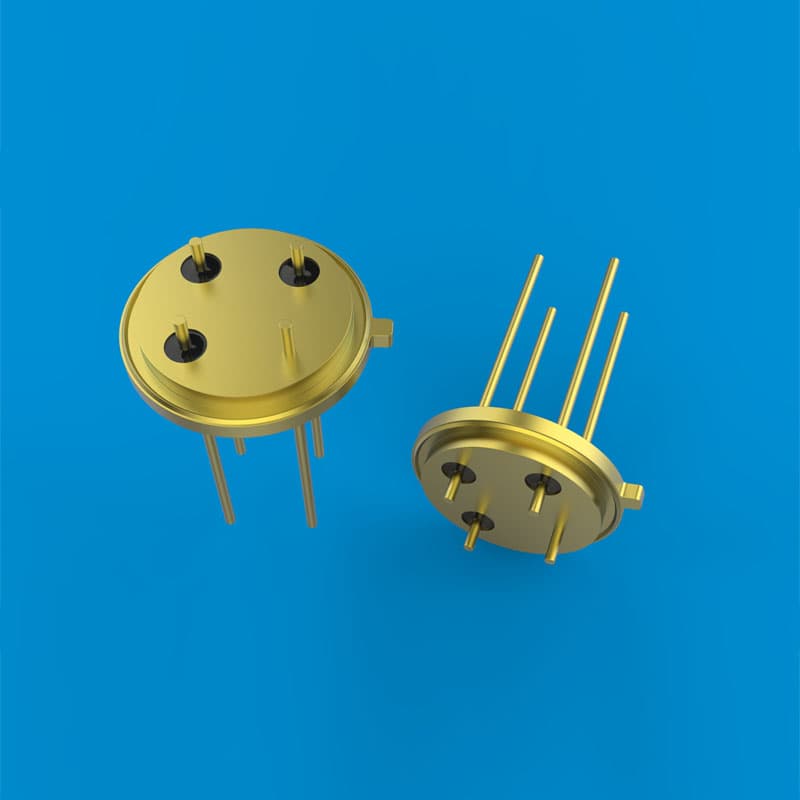
TO-5 7P8L

TO-5 7P8L

TO-5 transistor-outline package.

Typical use & selection notes

Typical use: Gas, pressure, and optical sensors requiring a compact hermetic TO header with stable glass-to-metal seals.

Why this line: Outline and pin count in the part name (TO-5 7P8L) encode the mechanical envelope engineers must match to their die, submount, and cap — pick the TO size that fits your chip cavity and lead count.
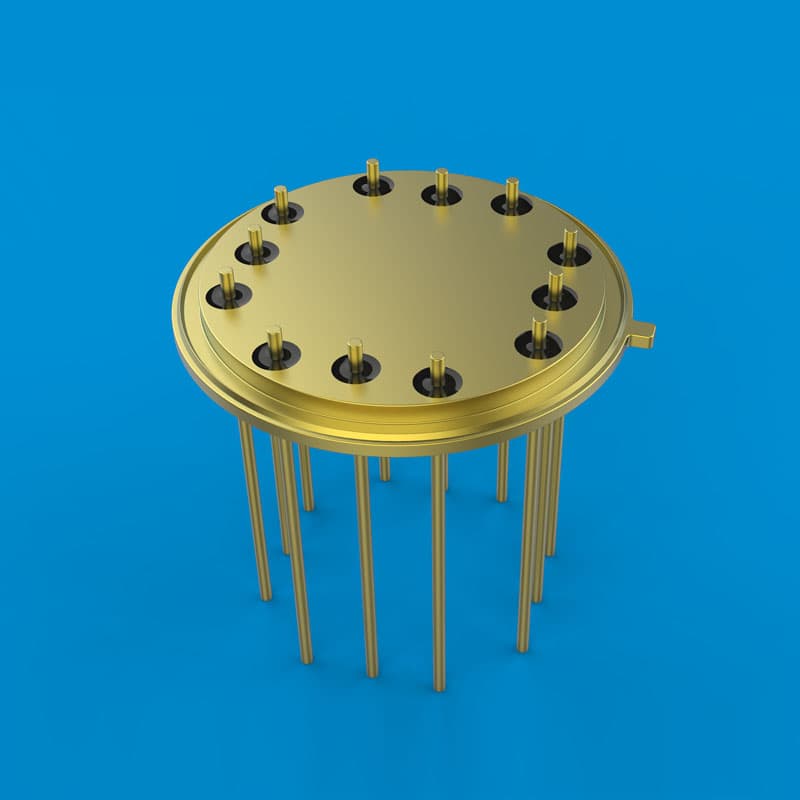
TO-5 3P4L

TO-5 3P4L

TO-5 transistor-outline package.

Typical use & selection notes

Typical use: Gas, pressure, and optical sensors requiring a compact hermetic TO header with stable glass-to-metal seals.

Why this line: Outline and pin count in the part name (TO-5 3P4L) encode the mechanical envelope engineers must match to their die, submount, and cap — pick the TO size that fits your chip cavity and lead count.
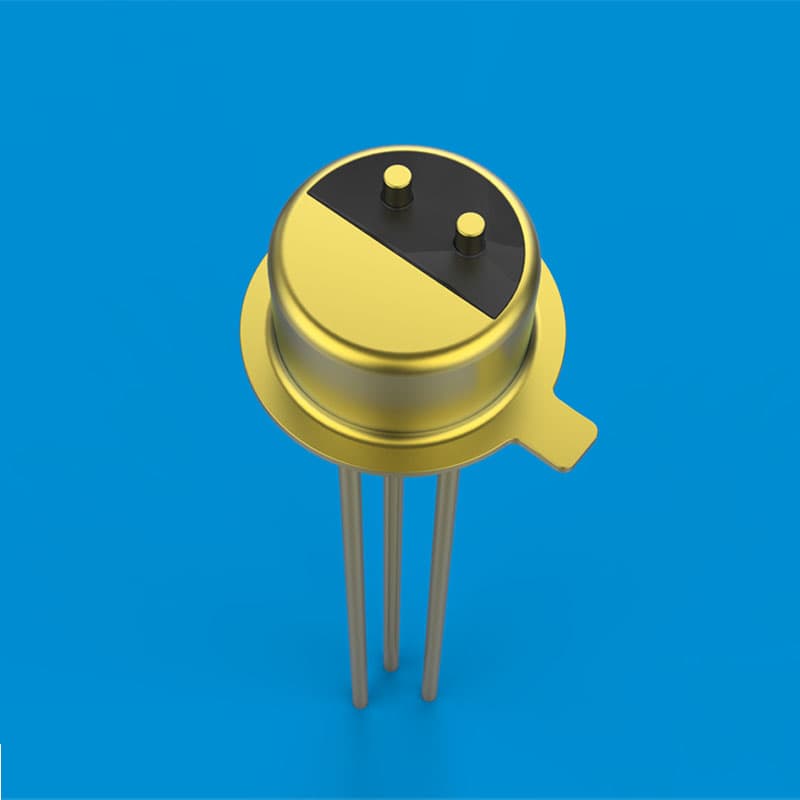
TO-8 12P13L

TO-8 12P13L

TO-8 transistor-outline package.

Typical use & selection notes

Typical use: Gas, pressure, and optical sensors requiring a compact hermetic TO header with stable glass-to-metal seals.

Why this line: Outline and pin count in the part name (TO-8 12P13L) encode the mechanical envelope engineers must match to their die, submount, and cap — pick the TO size that fits your chip cavity and lead count.
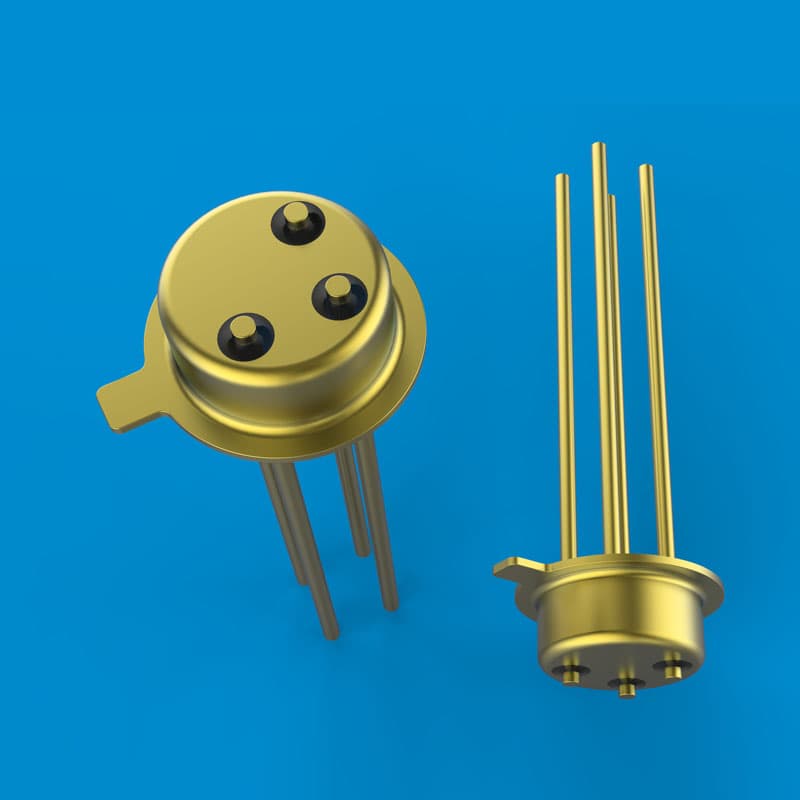
TO-18 2+1 Half-Round Layout

TO-18 2+1 Half-Round Layout

TO-18 transistor-outline package.

Typical use & selection notes

Typical use: Gas, pressure, and optical sensors requiring a compact hermetic TO header with stable glass-to-metal seals.

Why this line: Outline and pin count in the part name (TO-18 2+1 Half-Round Layout) encode the mechanical envelope engineers must match to their die, submount, and cap — pick the TO size that fits your chip cavity and lead count.
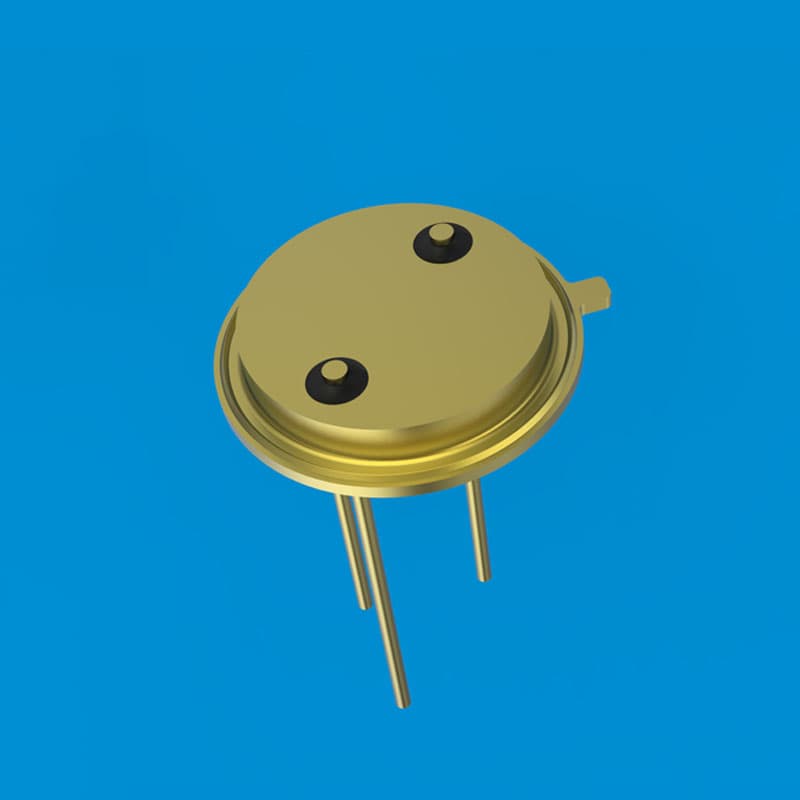
TO-18 3+1

TO-18 3+1

TO-18 transistor-outline package.

Typical use & selection notes

Typical use: Gas, pressure, and optical sensors requiring a compact hermetic TO header with stable glass-to-metal seals.

Why this line: Outline and pin count in the part name (TO-18 3+1) encode the mechanical envelope engineers must match to their die, submount, and cap — pick the TO size that fits your chip cavity and lead count.
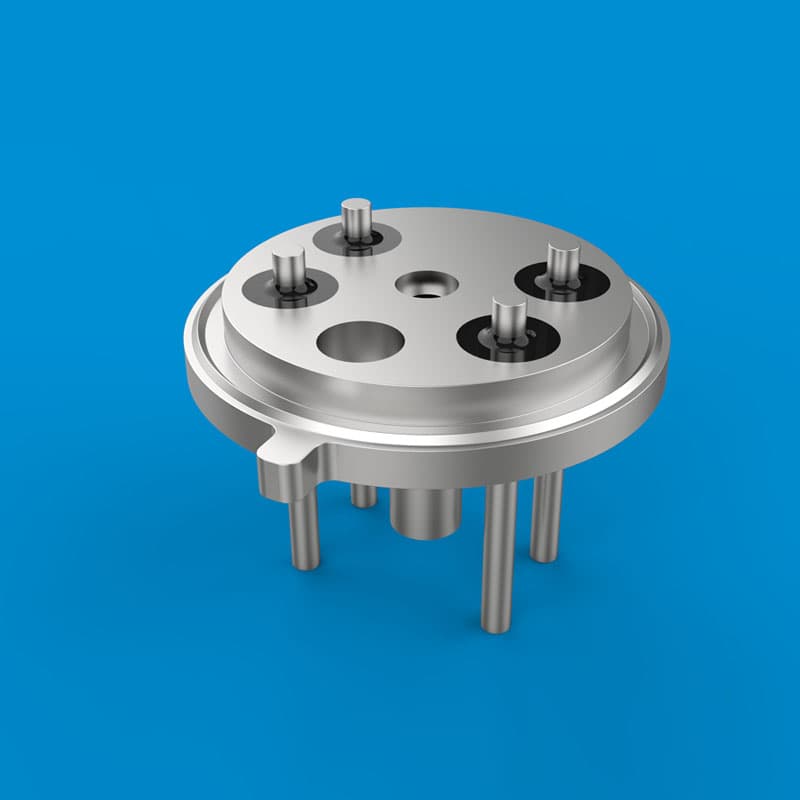
TO-39 2P3L

TO-39 2P3L

TO-39 transistor-outline package.

Typical use & selection notes

Typical use: Gas, pressure, and optical sensors requiring a compact hermetic TO header with stable glass-to-metal seals.

Why this line: Outline and pin count in the part name (TO-39 2P3L) encode the mechanical envelope engineers must match to their die, submount, and cap — pick the TO size that fits your chip cavity and lead count.
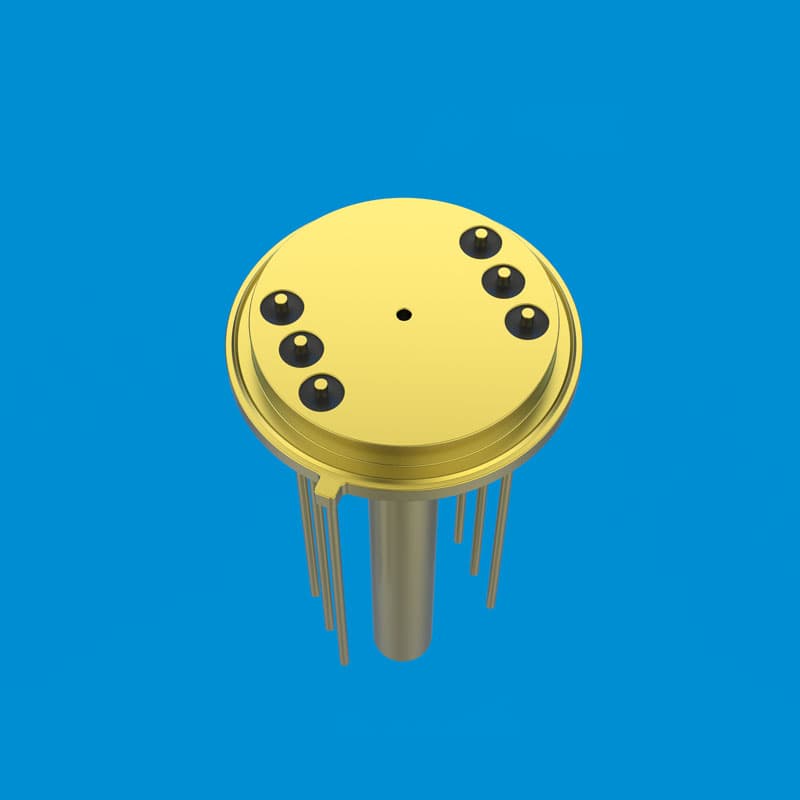
Pressure Sensor Mount Type 1

Pressure Sensor Mount Type 1

Transistor-outline (TO) metal-ceramic header.

Typical use & selection notes

Typical use: Gas, pressure, and optical sensors requiring a compact hermetic TO header with stable glass-to-metal seals.

Why this line: Outline and pin count in the part name (Pressure Sensor Mount Type 1) encode the mechanical envelope engineers must match to their die, submount, and cap — pick the TO size that fits your chip cavity and lead count.
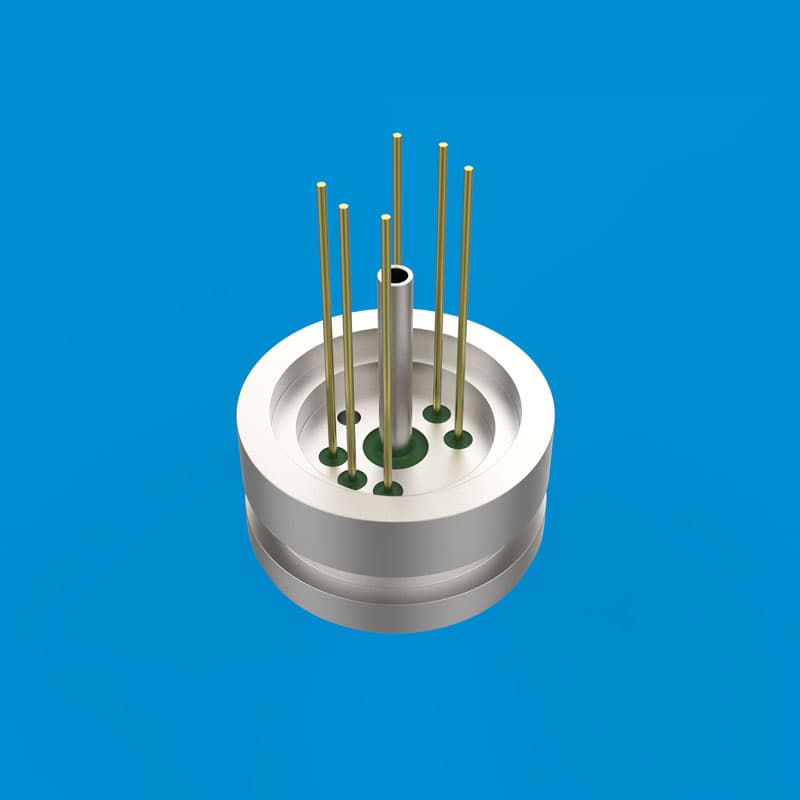
Pressure Sensor Mount Type 2

Pressure Sensor Mount Type 2

Transistor-outline (TO) metal-ceramic header.

Typical use & selection notes

Typical use: Gas, pressure, and optical sensors requiring a compact hermetic TO header with stable glass-to-metal seals.

Why this line: Outline and pin count in the part name (Pressure Sensor Mount Type 2) encode the mechanical envelope engineers must match to their die, submount, and cap — pick the TO size that fits your chip cavity and lead count.

Pressure Sensor Mount Type 3

Pressure Sensor Mount Type 3

Transistor-outline (TO) metal-ceramic header.

Typical use & selection notes

Typical use: Gas, pressure, and optical sensors requiring a compact hermetic TO header with stable glass-to-metal seals.

Why this line: Outline and pin count in the part name (Pressure Sensor Mount Type 3) encode the mechanical envelope engineers must match to their die, submount, and cap — pick the TO size that fits your chip cavity and lead count.

TO headers & laser bases

Get quote