Hermetic metal packages
Metal-ceramic shells that seal, route pins, and define the mechanical envelope around your die — TO headers, butterfly modules, cavity packages, windows, feedthroughs, and mount hardware.
Package types
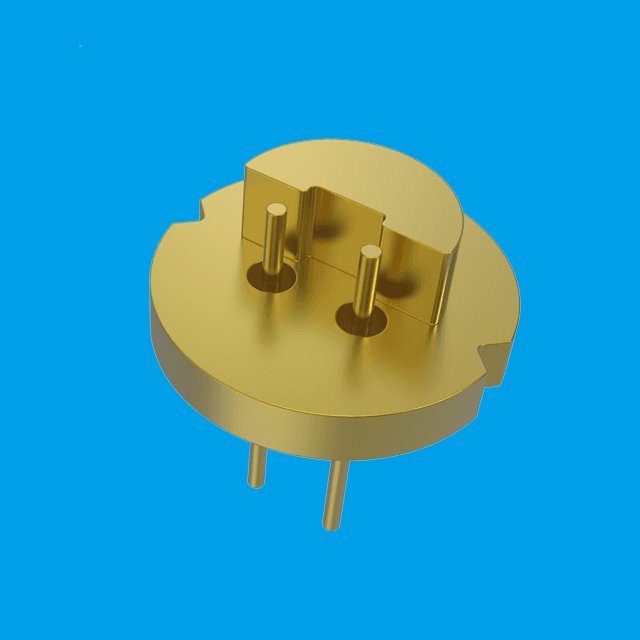
TO headers & laser bases
Transistor-outline (TO) headers are the most common hermetic shell for laser diodes, photodiodes, and sensors. The number in the name — TO-46, TO-56, TO-60 — is the dome diameter in millimeters; pin count and submount features determine which chip and data rate the package supports.
28 outlines
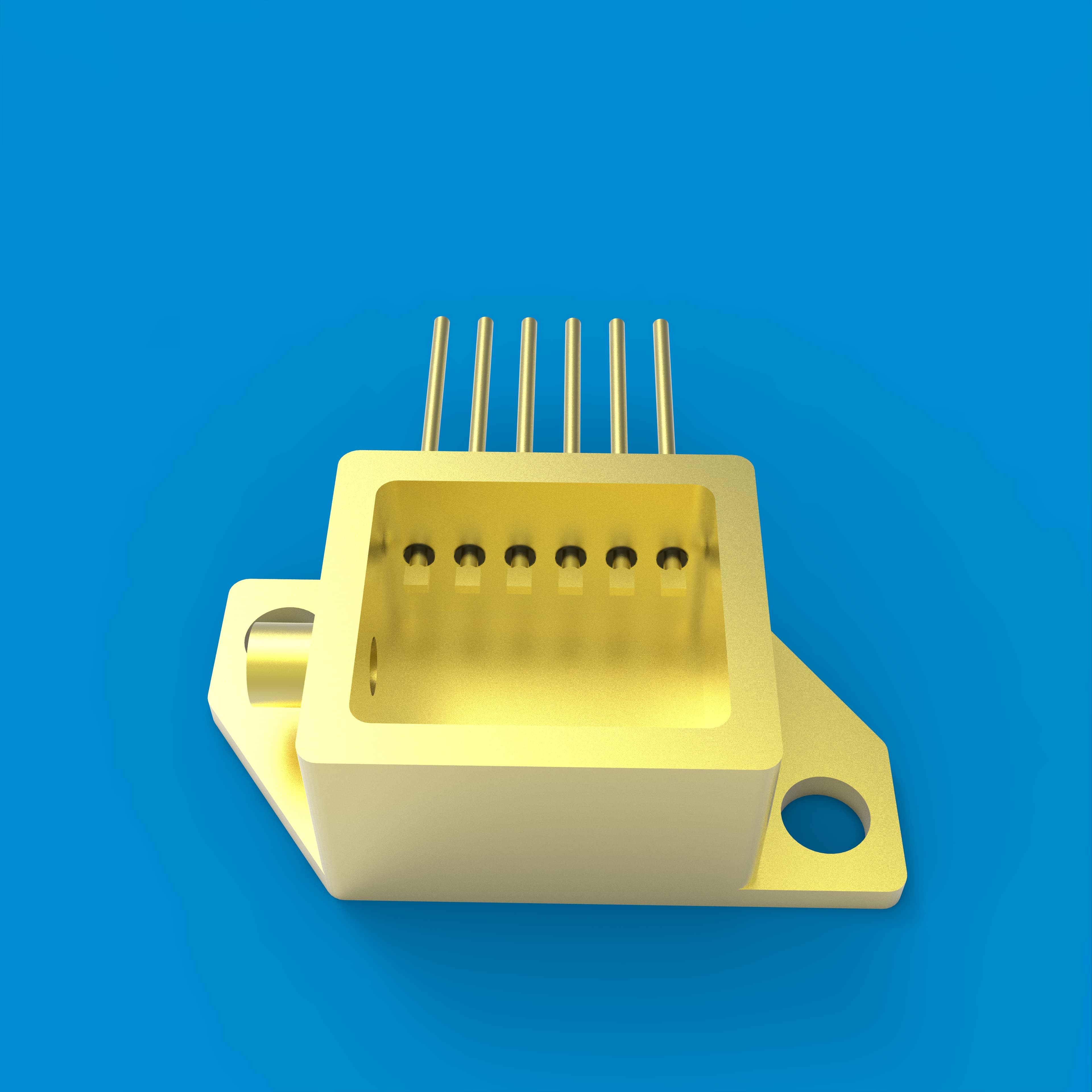
Butterfly & cavity packages
Hermetic packages keep moisture and contaminants away from laser chips, photodiodes, and hybrid circuits. Butterfly shells, BOX cavities, and HTCC housings trade footprint and fiber routing for cavity volume and pin count — the right choice depends on whether you are building a transceiver, a lidar emitter, or a multi-die hybrid.
23 outlines
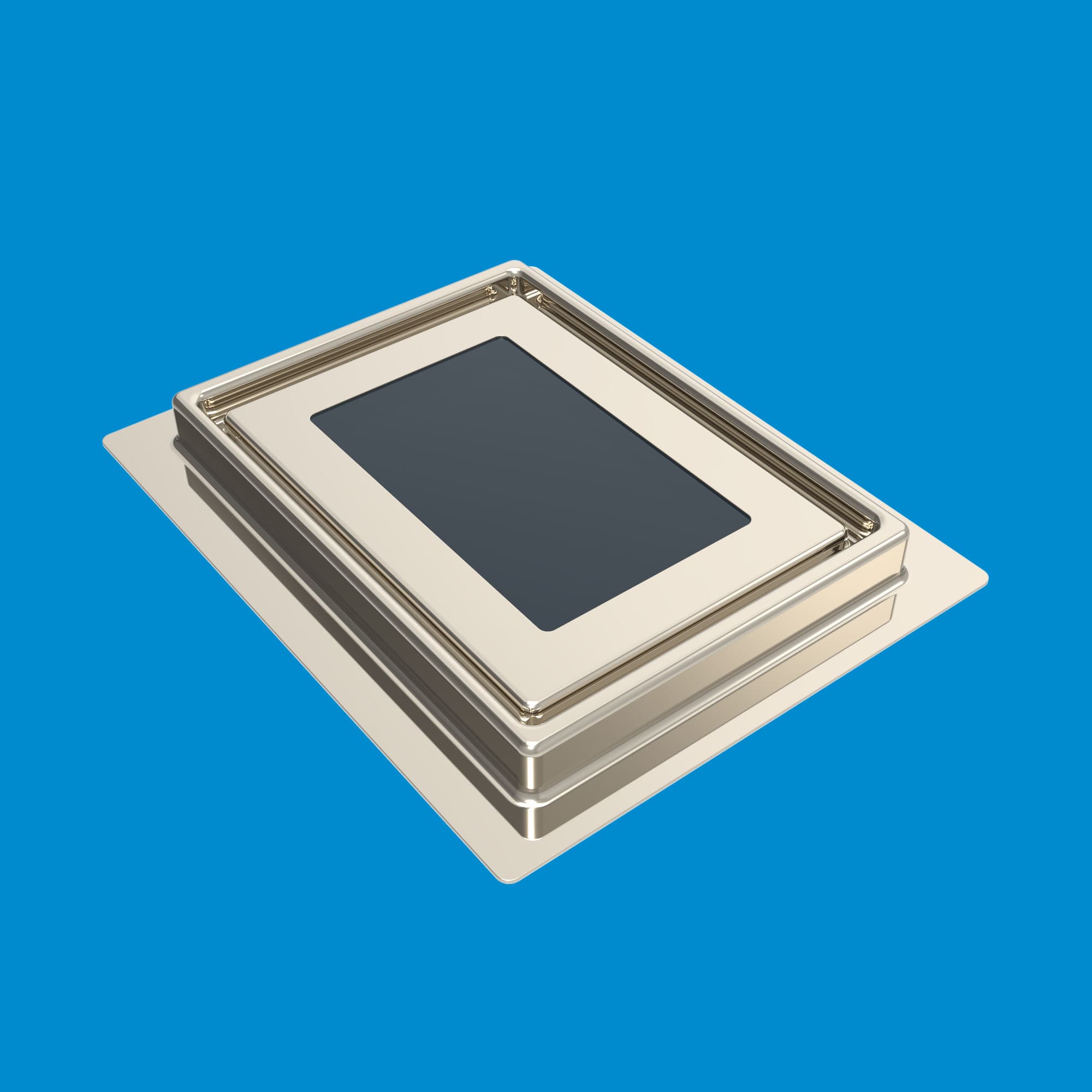
Optical windows & caps
Optical windows and lens caps define how light enters or exits a hermetic package. Material (sapphire, borosilicate, molded lens), coating (AR band), and standoff height must match your wavelength and power density.
7 outlines
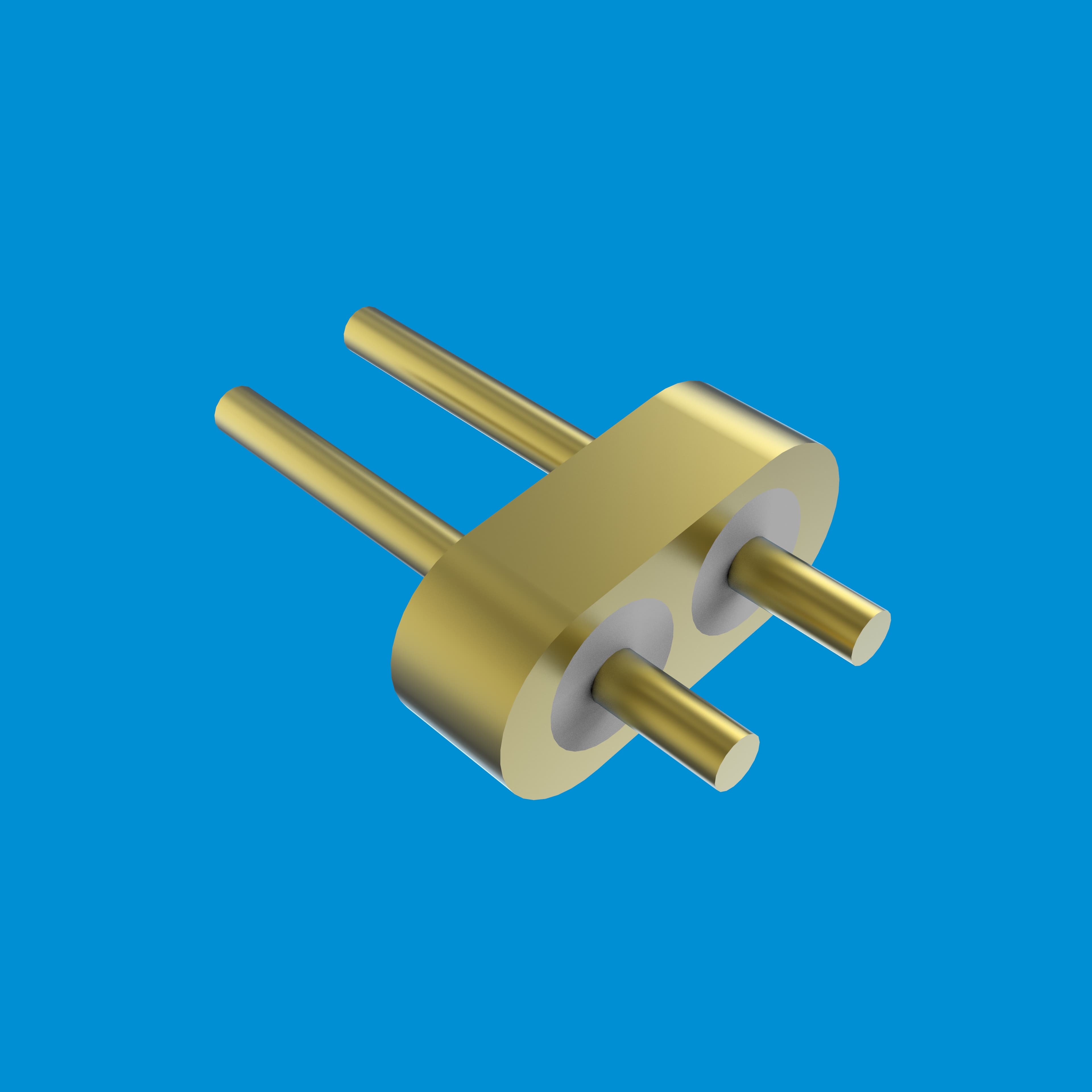
RF & microwave terminals
RF and microwave terminals carry high-frequency signals through a hermetic wall without destroying return loss. Geometry and dielectric influence the transition from internal MMIC to external connector.
9 outlines
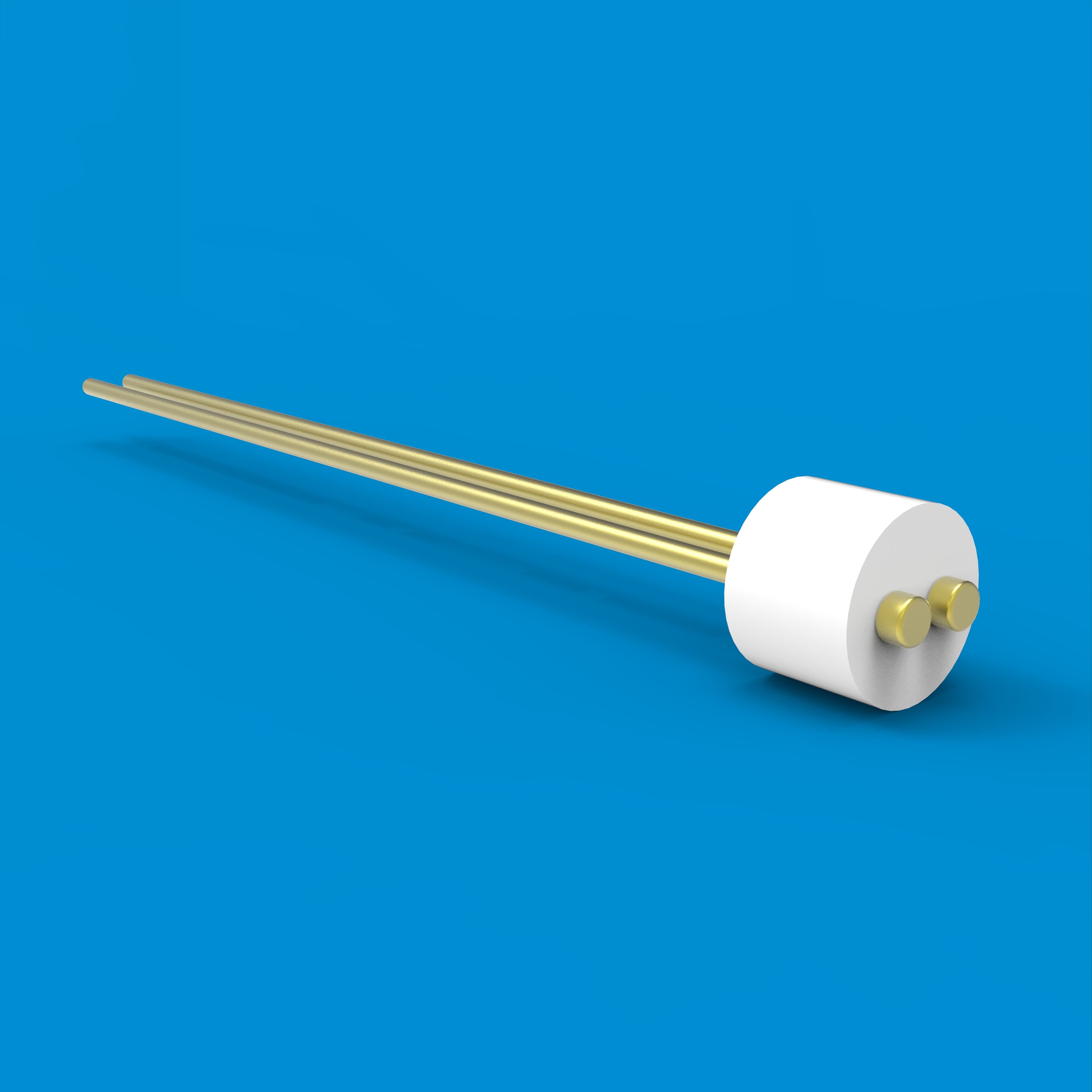
Mount hardware & ceramic stands
Ceramic stands, brackets, and mounting hardware position submounts, TECs, and heat spreaders inside a hermetic module — part of the package stack, not die-level spreading.
5 outlines
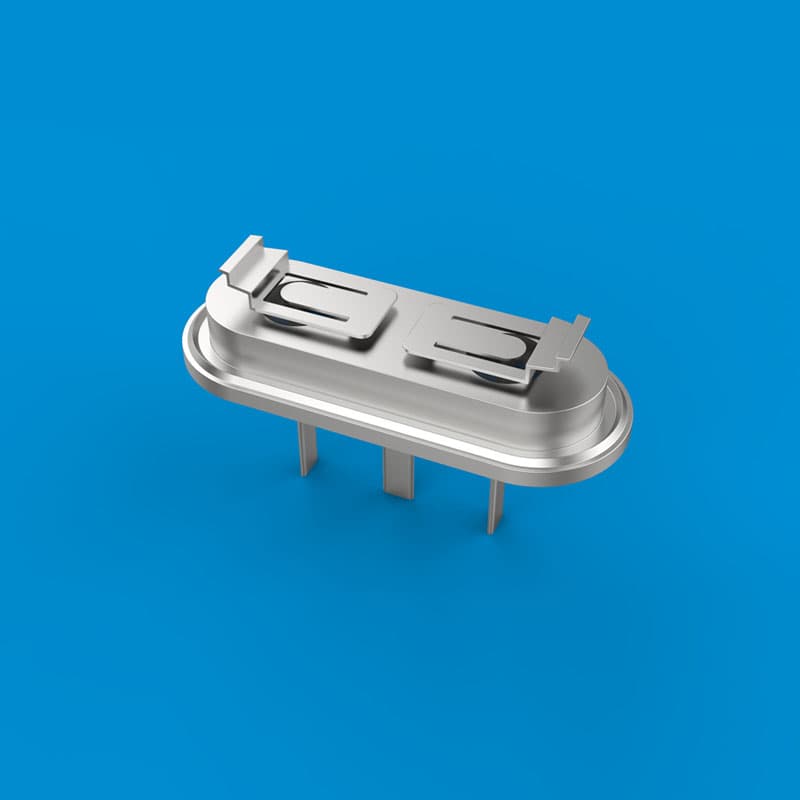
Crystal & OCXO bases
Crystal and OCXO bases provide a hermetic floor with stable CTE and defined pin layout for timing references. Base outline must match the oscillator die and any oven or TEC stack inside the seal.
11 outlines
Die-level thermal spreading is separate — browse submount catalog or order SiC/ALN sample boxes